

How to Use Shopify Popups to Increase Average Order Value

You are driving solid traffic to your store, but rising customer acquisition costs (CAC) are eating your margins alive. If your revenue per customer remains flat while ad costs soar, you have a math problem.
The fastest way to fix this profitability gap is to increase average order value shopify merchants often ignore: the strategic upsell popup. While generic popups are often dismissed as annoying, a well-timed, context-aware Shopify upsell popup can drastically improve your conversion rate optimization (CRO) health without breaking your theme.
In this guide, we will break down the true AOV benchmarks, introduce the highly effective "Threshold Gap" strategy, and walk through exactly how to configure product bundles and popups that customers actually want to click.
Let's get started!
I. Overview of AOV and Smart Popups
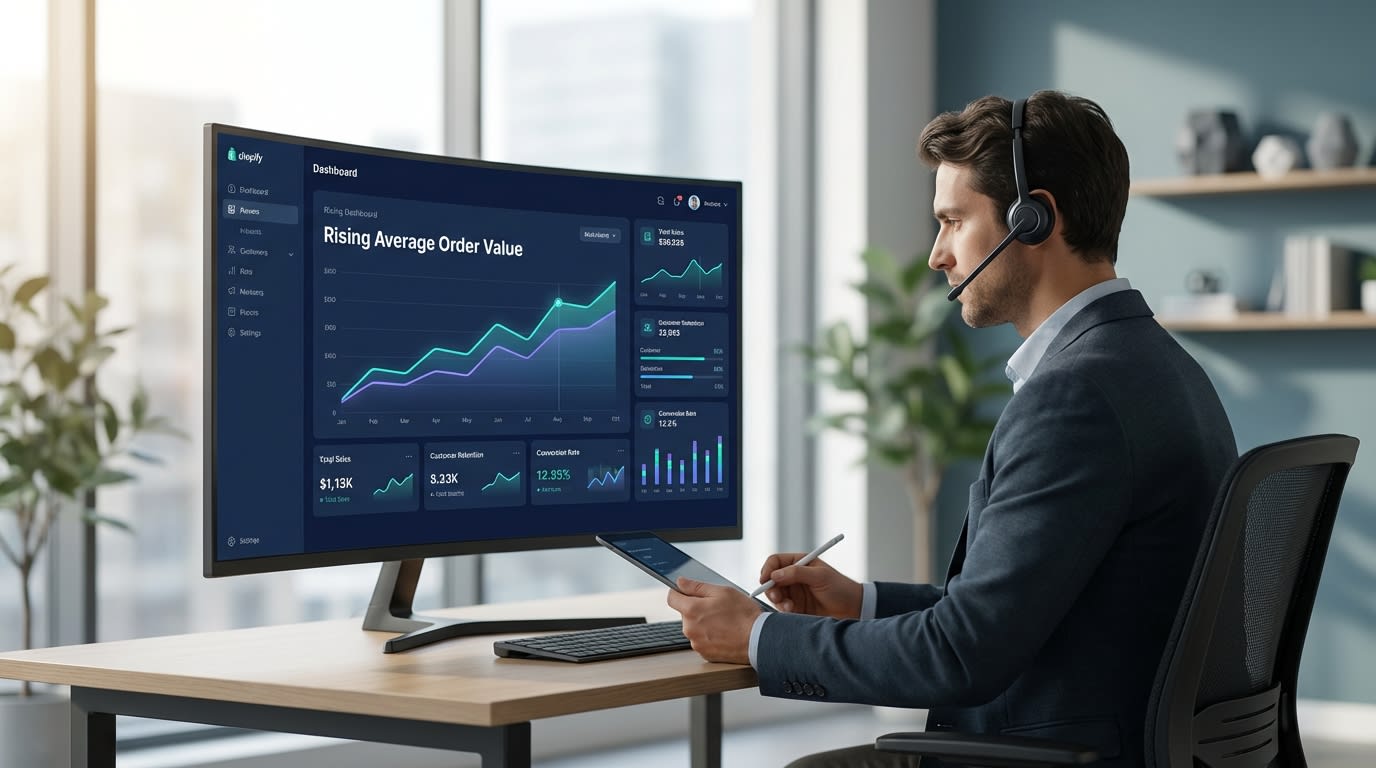
Understanding your store's baseline is the first step to scaling revenue.
1. The AOV Formula and Why It Matters Right Now
Average Order Value (AOV) tracks the average dollar amount spent each time a customer places an order. You calculate it simply: Total Revenue divided by Total Number of Orders.
Increasing your AOV formula metrics is significantly cheaper than acquiring new traffic. When you pay for a visitor click, that cost is fixed. Persuading that same visitor to spend $75 instead of $50 instantly boosts your profit margins. Smart popups act as an automated sales assistant to make this happen seamlessly.
2. AOV Benchmarks by Industry
Many merchants ask about standard industry benchmarks. While numbers fluctuate, fashion and apparel typically sit between $70 and $90. Electronics frequently push past $100, while beauty and cosmetics usually hover around $50 to $60.
Your goal is not just to beat the industry average. Your goal is to consistently raise your own baseline month over month. Tracking your specific data gives you a realistic target for growth.
3. Why Most Popups Fail (And Annoy Customers)
Most store popups fail because of poor timing, generic messaging, and a lack of relevance. A 10% discount banner interrupting a user three seconds after they land on the homepage creates frustration.
Modern eCommerce relies on frictionless upselling. Instead of basic time-on-page rules, successful campaigns use dynamic cart value triggers. This ensures you only present offers that make sense for the exact items the customer is currently viewing.
II. 6 Strategies to Increase AOV Using Popups
These tactics focus on buyer intent and precise timing. The goal is to protect the initial sale while maximizing the final order value.
1. Master the "Threshold Gap" Strategy
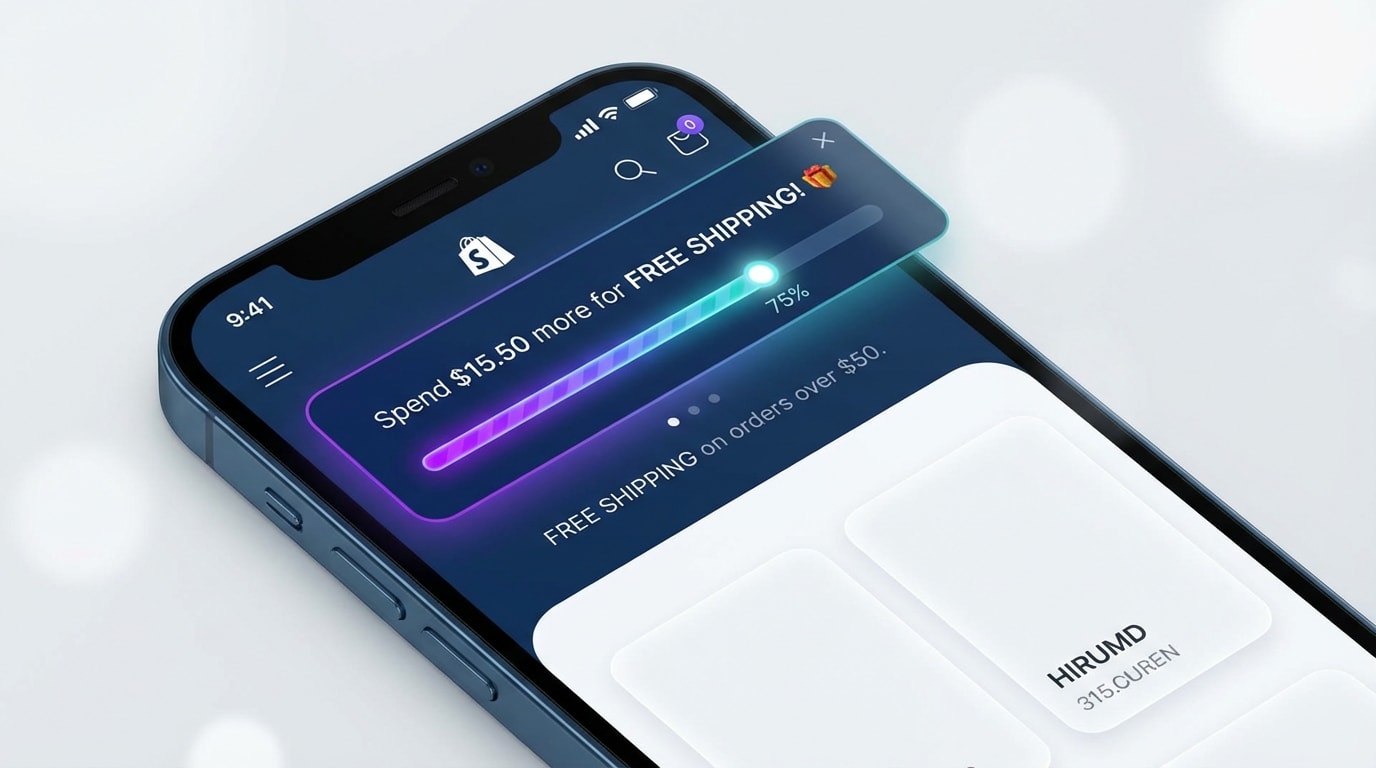
Dynamic threshold popups give shoppers a clear, achievable mission.
Most stores offer a flat free shipping banner. The Threshold Gap strategy calculates the exact difference in real-time and triggers a popup when a shopper gets close to that number.
Why this matters: It creates a specific mission for the shopper. A message stating they are only $12 away from free shipping converts significantly higher than a generic offer.
How to implement:
- Set dynamic cart rules: Configure your popup app to trigger only when the cart reaches 70-90% of the threshold.
- Offer a one-click add: The suggested product must be an impulse buy priced slightly above the gap amount.
- Keep copy urgent but helpful: Focus the messaging on unlocking a reward rather than spending more money.
2. Trigger Exit-Intent Popups for Low-Value Carts
When a customer moves their mouse to close the tab, you have one last chance to save the sale.
- Target specific segments: Create rules specifically for carts currently sitting under your target AOV.
- Offer a bundle unlock: Instead of a generic discount, offer the Buy X Get Y product bundles shopify merchants swear by. You can master Cross-Selling and Upselling with eCommerce Popups: Maximizing Revenue to save the sale while simultaneously raising the order value.
- Use clear price anchoring: Show the original combined price struck through next to the new bundle price to emphasize value visually.
3. Deploy Post-Purchase One-Click Upsells

The golden moment for an upsell is immediately after the initial transaction clears.
The safest way to increase AOV without risking your initial conversion rate is to wait until after the customer completes their purchase.
Why this matters: The customer has already bypassed the friction of entering shipping and payment details. Trust is at its highest point, and buying momentum is strong.
How to implement:
- Time it perfectly: Show the popup between the checkout completion screen and the final thank-you page.
- Make it highly complementary: If they bought a coffee maker, offer the specific paper filters.
- Enable one-click billing: Ensure your Shopify app allows them to add the item without re-entering credit card details.
4. Leverage Decoy Pricing in Product Bundles
Decoy pricing uses human psychology to make larger purchases look like undeniable bargains. Offering a single item next to a highly discounted 3-pack makes the single item look like a poor financial choice.
How to implement:
- Group related items together.
- Clearly display the total savings for buying the bundle.
- Visually contrast the single item's price against the superior value of the multipack.
Pro Tip: Use quantity breaks directly inside your add-to-cart popup. Making the "Buy 3" button larger and highlighted in an accent color naturally draws the eye and encourages bulk purchasing.
5. Automate Frequently Bought Together Cross-Sells
Manual SKU mapping is tedious and prone to human error. Product catalogs change, and keeping cross-sell popups updated manually wastes valuable time.
You can use apps like Fordeer Sales Pop Up to automate product recommendations based on real store purchase data. The system analyzes what items actually sell together and updates the popups automatically. Keep the popup design clean and simple so the cross-sell does not distract from the main purchase flow.
6. Segment New vs. Returning Customers
Treating all traffic the same leaves money on the table.
- For New Customers: Focus popups on trust-building offers. First-time buyer bundles or a free shipping threshold unlock work best.
- For Returning Customers: Use popups to highlight new arrivals, loyalty program milestones, or bulk-replenishment discounts for products they already like.
- Analyze the data: Regularly review your Shopify Admin reports to see which segment responds best to which specific offer type.
III. Critical UI and Technical Considerations
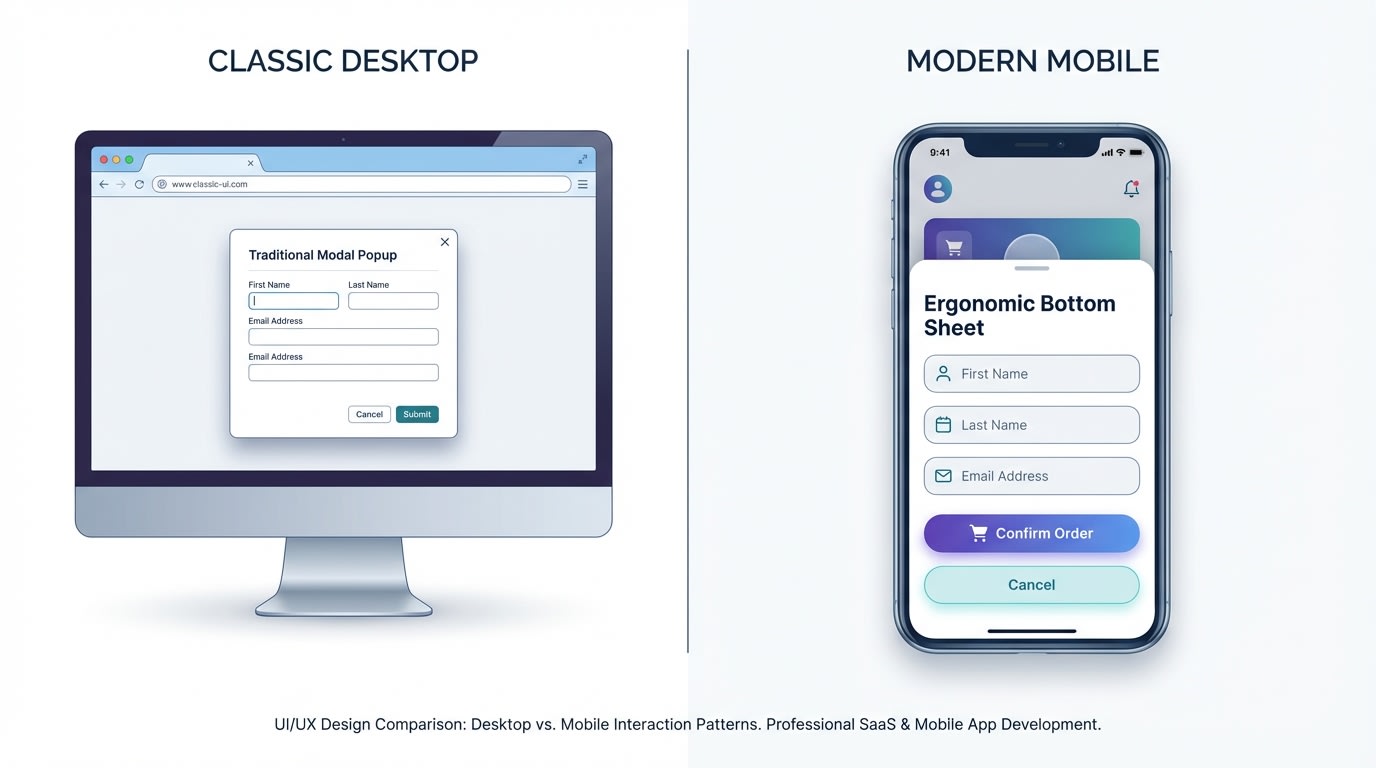
Always design for the thumb-zone when configuring mobile popups.
Before you launch your new AOV campaigns, you must ensure the technical setup does not accidentally introduce friction.
1. Mobile vs. Desktop Popup Design
Mobile traffic dictates the majority of Shopify sales. A popup that looks beautiful on desktop can completely ruin the mobile experience if not scaled correctly.
Always design for the thumb-zone. Place mobile popups at the bottom of the screen rather than in a center modal. Ensure the close button is easily tappable on mobile devices to avoid Google's intrusive interstitial penalty.
2. Scroll-Depth and Time-on-Page Triggers
Avoid immediate popups. A 0-second trigger annoys users and drastically increases your bounce rate.
Instead, set triggers based on actual engagement. Wait until a user scrolls 60% down a product page or spends 30 seconds reading customer reviews. This proves they have genuine interest before you pitch an upsell.
3. Protecting Your Base Conversion Rate
Aggressive popups can hurt sales if deployed carelessly. Your goal is to add value, not create digital roadblocks.
Always A/B test your upsell popups before rolling them out to all traffic. Track both metrics simultaneously. Watch your AOV climb while ensuring your overall store conversion rate stays stable. Learn more about balancing these elements in our guide on Shopify Popup Conversion Strategies: Turning Visitors into Customers.
IV. Conclusion
Driving traffic is only half the battle. Maximizing the value of every shopper is how you build a profitable, sustainable store. By implementing smart, context-aware strategies like the Threshold Gap and post-purchase upsells, you can drastically increase your Shopify average order value without resorting to generic, irritating popups.
You do not have to overhaul your entire theme to see results. Start small by testing one targeted exit-intent bundle or a free shipping progress bar, and let the data guide your next move. You've got this!
Follow the Fordeer Team for more useful updates!
- Install Fordeer Apps for Free
- Get immediate assistance by chatting with us
- Join Fordeer Commerce Community for fresh app updates, expert tips, and private deals.