

Master Your Conversions: The Ultimate Guide to Effective Popup Triggers for Shopify

Running a Shopify store often feels like a race against time. You have only a few seconds to grab a visitor’s attention before they click away, perhaps forever. While bringing traffic to your store is a great first step, the real challenge is keeping them there and turning that interest into a sale.
If you’ve ever felt frustrated by high bounce rates or low newsletter sign-up numbers, you aren't alone. Many merchants struggle to find the balance between being helpful and being annoying. This is where mastering popup triggers shopify becomes your secret weapon. When done right, a popup doesn't just "pop up"—it appears exactly when the customer needs a little extra nudge.
In this guide, we’ll explore how to use smart targeting and behavioral triggers to boost your revenue and keep your customers happy. We’ll look at the data, the different types of triggers, and the best ways to implement them.
Let’s get started.
I. Overview of Popup Triggers for Shopify
Before diving into the "how-to," we need to understand the "what" and "why." A popup trigger is essentially the "if/then" logic of your storefront. If a customer performs a certain action, then your popup appears.
1. What is a Popup Trigger?
A popup trigger is a specific condition or set of conditions that determines when a visitor sees a message on your site. Instead of showing everyone the same offer at the same time, triggers allow you to be surgical. For example, you might show a newsletter popup shopify only after someone has read your entire blog post. This ensures you are talking to an engaged reader, not someone who just landed on the page.
2. Why Timing is Everything
Think of a popup like a salesperson in a physical store. If they jump in your face the second you walk through the door, you'll probably leave. But if they wait until you’ve been looking at a shelf for two minutes, their help is welcomed. In the digital world, timing works the same way. Poorly timed popups lead to "popup fatigue," causing visitors to close your tab. Well-timed triggers, however, can increase your conversion rate by over 9%.
3. The Psychology of Behavioral Targeting
Behavioral targeting is about responding to what the user is doing in real-time. By observing scroll depth, mouse movement, or page history, your shopify popup app can present an offer that feels personalized. This reduces the friction of the buying process and makes the customer feel understood.

Targeted popups help bridge the gap between casual browsing and a completed purchase.
II. The Data Behind Successful Shopify Popups
Data doesn't lie. When merchants move away from generic "one-size-fits-all" popups and start using smart targeting, the results are measurable and significant.
Here are some key numbers from recent eCommerce studies:
- Conversion Power: While the average popup converts at around 3%, the top 10% of popups—those using advanced triggers—boast an average conversion rate of 9.28%.
- The Exit-Intent Edge: Using an exit-intent trigger can recover up to 10-15% of visitors who were about to leave your site.
- Mobile Matters: According to various reports, mobile popups can actually outperform desktop ones if they are designed with a "less is more" approach, often seeing a 40% higher click-through rate.
- Context is King: Popups that match the content of the page they are on have a conversion rate nearly 40% higher than generic site-wide popups.
This data shows that popups aren't "dead"—they’ve just evolved. The key is moving away from annoying interruptions and toward helpful, triggered interactions.
III. 8 Essential Popup Triggers to Drive Sales
This is the core of your strategy. To succeed, you need to know which trigger to use for which goal. Here are the eight most effective triggers for intermediate Shopify merchants.
1. Exit-Intent: The Second Chance

Exit-intent triggers are your last line of defense against abandoned sessions.
The exit-intent trigger is perhaps the most famous in the eCommerce world. It detects when a user’s mouse moves toward the browser’s "close" button or address bar.
Why this matters: It gives you one last chance to save a sale without interrupting the customer's browsing experience while they were still active on the site.
How to use it:
- Offer a "Wait!" Discount: Provide a small discount (like 10% off) to encourage them to stay.
- Low-Stock Alerts: Remind them that the item they were looking at is selling fast.
- Lead Magnets: Offer a free guide or resource in exchange for an email.
2. Time-on-Site: Reward the Engaged
Don't rush your customers. If someone has been on your site for 60 seconds, they are clearly interested in what you have to offer.
The benefits:By waiting a set amount of time, you ensure the visitor has had a chance to see your brand and products first. This makes them much more likely to sign up for a newsletter or accept an offer.
Here's how to set it up:
- The 30-Second Rule: For most Shopify stores, 30 to 45 seconds is the "sweet spot" for a newsletter popup shopify.
- Blog Engagement: On blog pages, set the timer longer (60-90 seconds) to target your most loyal readers.
3. Scroll Depth: Content-Aware Targeting
Scroll depth triggers show a popup only after a visitor has scrolled down a certain percentage of your page (e.g., 50% or 75%).
Why it works:If someone is scrolling through your product descriptions or a long-form landing page, they are consuming your content. They are "warm" leads.
Best practices:
- The 50% Mark: Trigger a "Join the Club" popup once they've seen half of your homepage.
- Footer Offers: Trigger a "Free Shipping" reminder as they approach the bottom of a product page.
4. Page-Specific Triggers: Contextual Relevance
One of the biggest mistakes is showing a generic offer on every page. Instead, use your shopify popup app to show offers that match the specific page the user is viewing.
How to implement:
- Collection Matches: If a user is in the "Yoga Pants" collection, show a popup for a "Buy 2 Get 1 Free" yoga gear deal.
- Cart Page Reminders: On the cart page, use a countdown timer popup to create urgency for completing the order.
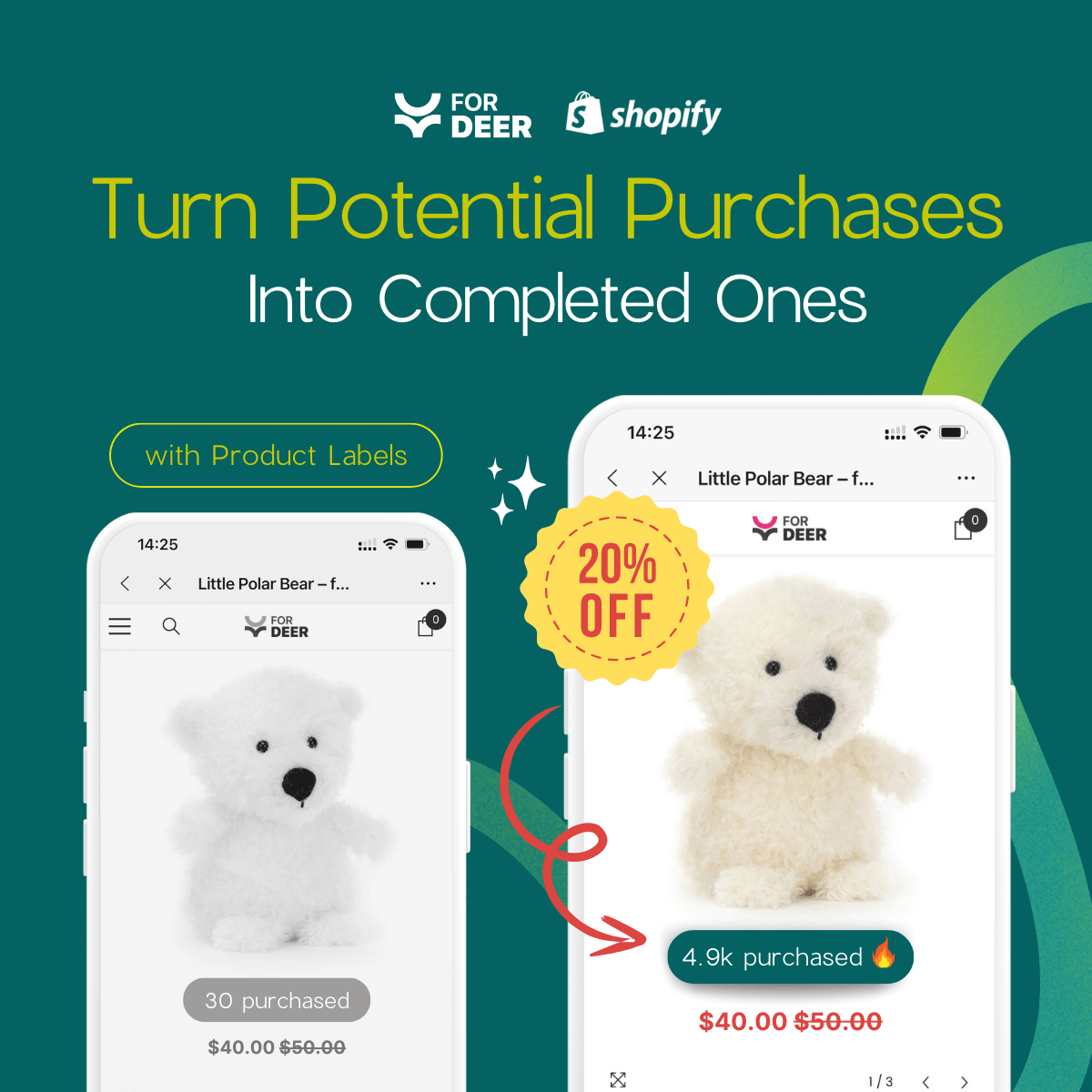
Pro Tip: Use Fordeer Product Labels & Badges to highlight items that are eligible for the specific popup offers you are running. This creates a visual connection between the popup and the products.
5. Click-Triggered Popups: Permission-Based Marketing
Unlike other triggers that happen automatically, these appear only when a user clicks a specific button, link, or image.
The benefits:Because the user initiated the action, they are highly unlikely to be annoyed. This is excellent for "sizing charts," "shipping policy details," or "unlocking a secret discount."
Implementation ideas:
- "Claim My Discount" Button: Instead of a popup appearing on its own, put a button in your header that triggers the popup when clicked.
- Feature Explanations: Use popups to explain complex product features without cluttering your main page design.
6. Abandoned Cart Recovery: The Revenue Booster
This trigger specifically targets users who have added items to their cart but are attempting to navigate away from the checkout or cart page.
Why this matters:Cart abandonment is the #1 revenue killer for Shopify stores. A well-placed sales popup shopify app can remind customers of what they’re leaving behind.
Here's how to do it:
- Free Shipping Hook: Often, unexpected shipping costs cause abandonment. Trigger a "Free Shipping for the next 15 minutes" popup on the cart page.
- Social Proof: Show a popup saying "32 other people bought this in the last 24 hours!" to build confidence.
7. Traffic Source: Tailored Welcomes
You can set triggers based on where your visitors are coming from. A visitor from an Instagram ad might need a different message than someone coming from a Google search.
How to use it:
- Influencer Campaigns: If a visitor comes from an influencer’s link, show a popup that says "Welcome [Influencer Name] Fans! Use this code for 15% off."
- Search Engine Traffic: For those finding you via SEO, offer a helpful "New Customer Guide" popup.
8. Returning vs. New Visitors: Audience Segmentation
Intermediate merchants should treat returning customers differently than first-time visitors.
The strategy:
- New Visitors: Focus on email capture and brand introduction.
- Returning Customers: Focus on loyalty rewards, "welcome back" discounts, or showing them items related to their last purchase.

Segmenting your triggers ensures your message always matches the customer's journey.
IV. Best Practices for Setting Up Your Triggers
Knowing the triggers is only half the battle. You also need to manage them correctly to avoid damaging your site’s user experience.
1. Frequency Controls
Don't be the store that shows the same popup every time a user refreshes the page. Use frequency controls to limit how often a popup appears.
- The "One and Done" Rule: If a user closes a popup, don't show it to them again for at least 7 to 30 days.
- Post-Conversion: If they sign up, stop showing them sign-up popups!
2. Popup Trigger A/B Testing
Never assume you know which trigger works best. Use popup trigger A/B testing to compare results.
- Test A: Exit-intent vs. Test B: 30-second time trigger.
- Check your analytics to see which one results in more sales, not just more clicks.
3. Mobile Optimization and GDPR
Ensure your popups are GDPR compliant shopify popup ready by including clear opt-in checkboxes. Also, remember that Google penalizes sites with intrusive mobile interstitials. Make sure your mobile popups are easy to close and don't cover the entire screen immediately.
V. Conclusion
Mastering popup triggers shopify is a journey of testing and refinement. By moving away from aggressive, untargeted popups and embracing behavioral triggers like exit-intent, scroll depth, and page-specific offers, you turn your store into a high-converting sales machine.
Preparation is important. You don’t have to tackle every trigger at once. Start with the areas where you see the most drop-off—like the cart page or the home page exit—and gradually build out your strategy. Each step you take toward better targeting will make your store more profitable and your customer experience smoother.
Follow the Fordeer Team for more useful updates!
- Install Fordeer Apps for Free
- Get immediate assistance by chatting with us
- Join Fordeer Commerce Community for fresh app updates, expert tips, and private deals.