

Rule Recipe: Show 'Bestseller' Badge Based on Sales Volume

You finally hit a massive sales day, but a few hours later, your social proof badge vanishes. Reaching the critical mass needed for automatic badges can be incredibly frustrating! This is especially true when platforms update their rankings without warning.
Understanding the precise bestseller badge rule is crucial for modern ecommerce. Whether you are battling the A9 algorithm on marketplaces or trying to establish trust on your independent site, knowing how best seller rank, category ranking, and sales velocity work together gives you a serious competitive edge.
In this guide, we will break down the algorithmic secrets behind major platforms, explain the highly effective nesting strategy, and show you exactly how to implement automatic bestseller badge logic for shopify to boost your conversion rates.
Let's get started!
I. Overview of Bestseller Badges and Sales Rank

Sales velocity is the true engine behind any social proof badge
1. The Core Definition
Best seller rank (BSR) is a relative, category-specific metric. It does not measure your lifetime sales. Instead, algorithms look at recent sales velocity compared to other products in the exact same category. A product might be ranked number one in a micro-category but sit at number 500 in a broader macro-category. Understanding this relative positioning is your first step to securing a badge.
2. The Hourly Cliff Effect
Marketplace rankings do not sleep. Major platforms like Amazon update their data every single hour. This creates a decay effect on your sales velocity. A single viral spike will drop off rapidly if it is not followed by consistent, steady purchases. Consistency matters far more than one massive hour of sales when you want to maintain a top ranking over a 30-day period.
3. The CRO Impact
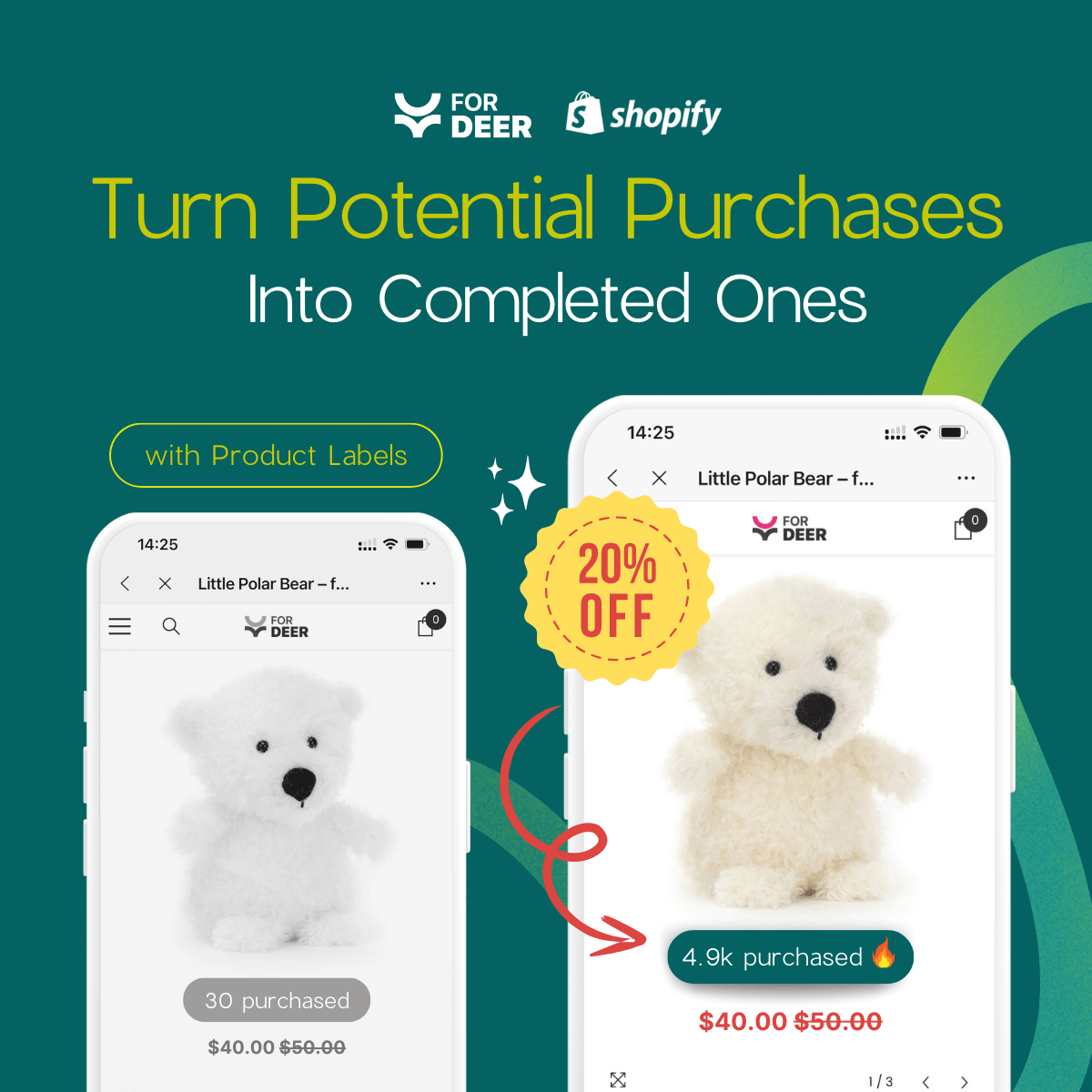
These badges provide instant social proof during the crucial evaluation stage. When visitors see a trusted bestseller badge png or icon on your product page, their psychological resistance drops. Shoppers are much more likely to convert when they see clear validation from other buyers. You can easily replicate this effect and Automated Labels: Capture Instant Attention to Stand Out in Seasonal Sales to visually validate your top-performing items on your independent store.
II. Platform Rules: Breaking Down the Tiers
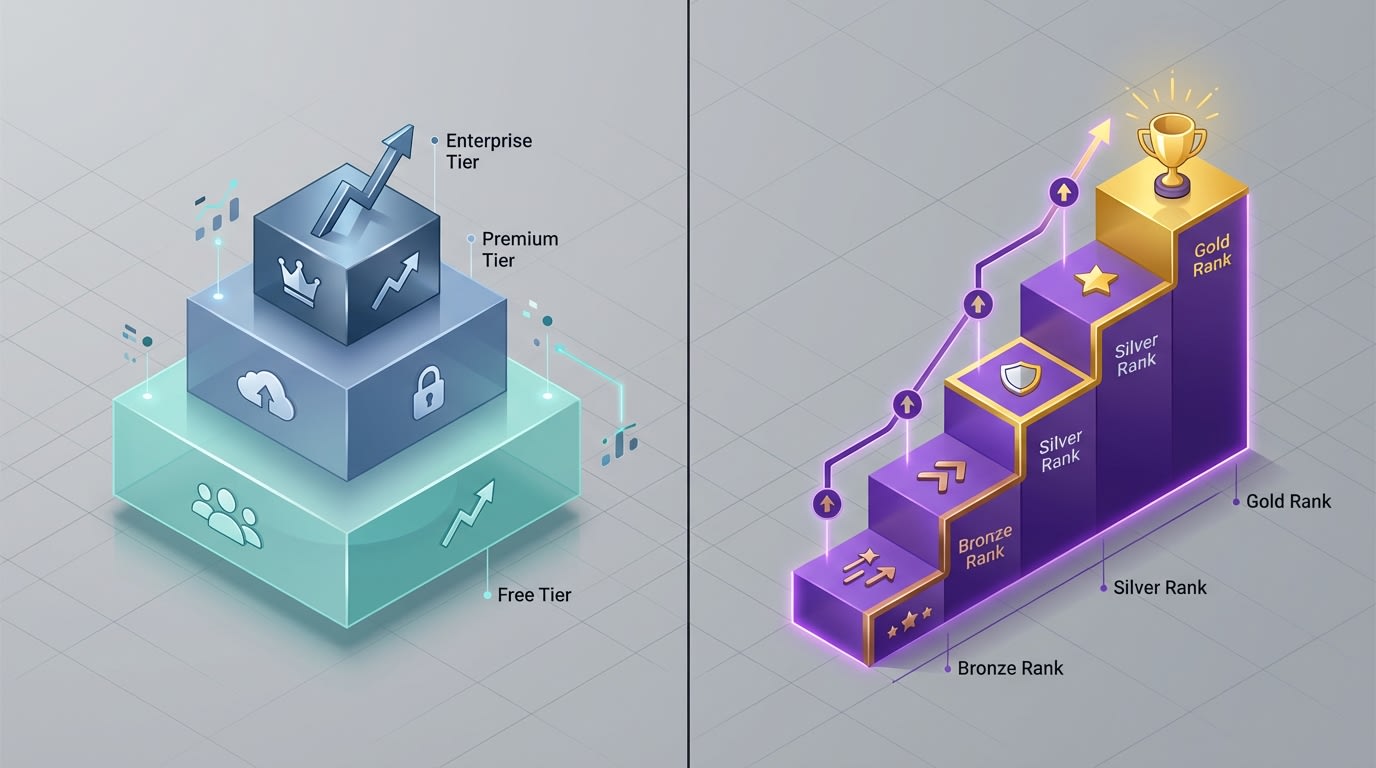
Different platforms use completely different logic for their badge ecosystems
1. Decoding Substack Flower Badges Meaning
The creator economy uses distinct social proof tiers. Understanding the Substack flower badges meaning reveals a strict volume-based system. Creators earn White, Orange, and Purple checkmarks based entirely on tens, hundreds, or thousands of paid subscribers. This system is highly transparent. It gives creators an exact number to aim for, a luxury that physical product marketplaces rarely offer.
2. The Amazon Best Seller Rank List Logic
The A9 and A10 algorithms process sales history with heavy bias. Organic sales always carry more weight than promoted or paid sales on the Amazon best seller rank list. According to Pattern's data, this hourly algorithmic volatility means sellers must constantly defend their position. If your competitors run a flash sale, your rank will drop immediately even if your own sales remain steady.
3. The Shopify Independence Advantage
Marketplace restrictions force you to play by someone else's rules. Independent Shopify stores have a massive advantage. You control the environment and establish your own rules to build trust. Instead of waiting for an obscure algorithm to bless your product, you can ethically recreate this logic to highlight your best items. Here is how you do it.
III. 6 Strategies to Earn and Keep the Bestseller Badge
Earning a badge is only half the battle. Keeping it requires a deliberate, ongoing strategy. Here is how top sellers secure and maintain their top rankings.
1. Execute the Nesting Strategy
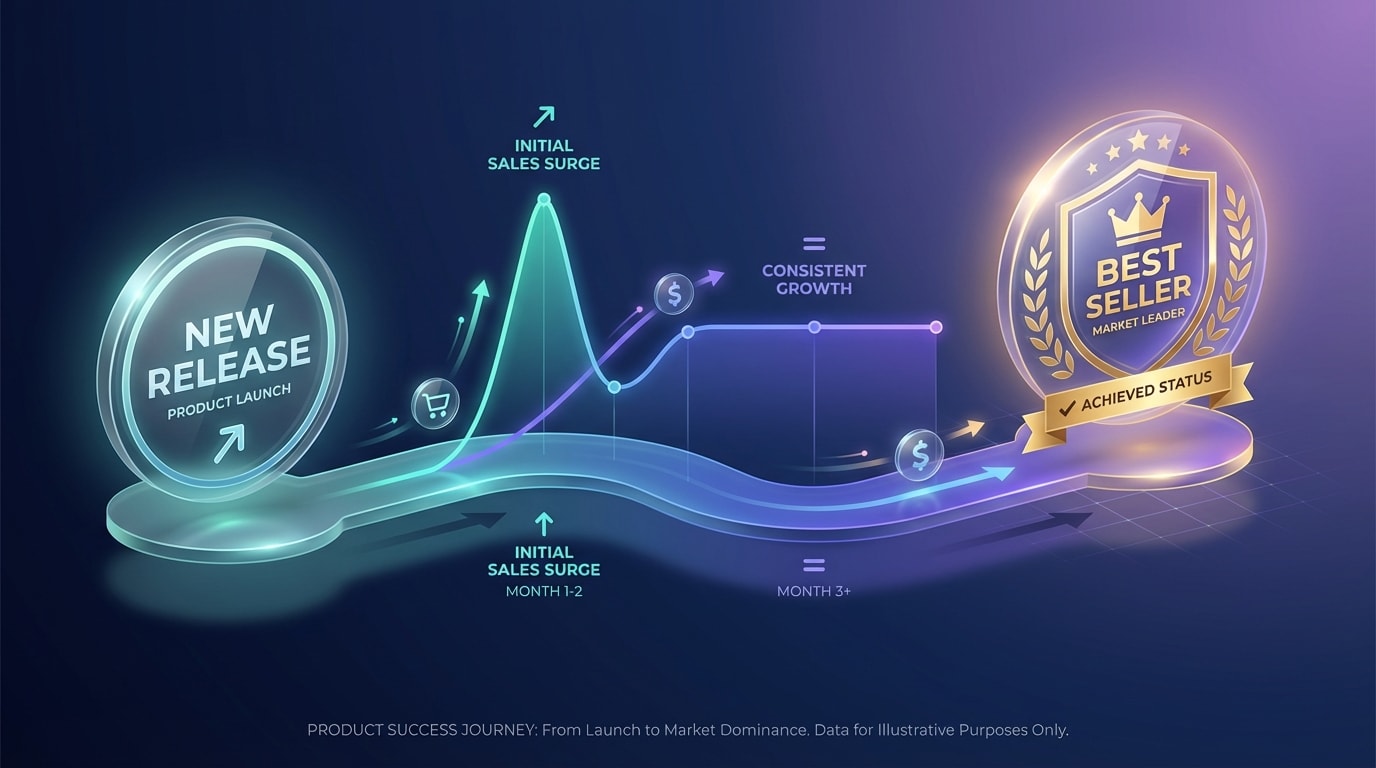
Use your launch period to build an unbreakable foundation
Algorithms often give a honeymoon period to fresh products, making it easier to rank initially.
Why this matters: A new release badge vs bestseller badge is not an either-or situation. It is a progression.
How to implement:
- Launch aggressive: Funnel all marketing efforts into the first 30 days to secure the New Release status.
- Lock in velocity: Use the increased conversion rate from the New Release badge to build your baseline sales.
- Transition smoothly: By the time the 30-day window closes, your sustained velocity will automatically trigger the bestseller status.
2. Master Category Squatting (Ethically)
Ranking number one in Kitchen Appliances is nearly impossible for a new brand. Ranking number one in Retro Blue Toasters is highly achievable.
Why this matters: Sellerise data shows that badges are strictly tied to specific Browse Nodes.
How to implement:
- Analyze the Browse Tree Guide: Find hyper-specific, low-competition sub-categories that accurately describe your product.
- Avoid unethical mismatching: Never place a factory-made item in a Handmade category just to rank. This leads to high Order Defect Rates (ODR) and account penalties.
- Dominate the niche: Secure the badge in the micro-category to build the social proof needed to compete in broader categories later.
3. Leverage the External Traffic Multiplier
Internal platform searches are highly competitive. External traffic is your secret weapon.
Why this matters: Algorithms disproportionately reward products that bring outside buyers into their ecosystem.
How to implement:
- TikTok to product pipeline: Direct viral social media traffic directly to your specific product listing.
- Email list activation: Send segmented campaigns to your existing customers during slow hours to combat the BSR hourly cliff.
- Use attribution tags: Ensure you are tracking which external sources drive the highest conversion rates. Algorithms favor traffic that actually buys.
Pro Tip: A burst of 50 sales from a TikTok video in one hour will boost your ranking significantly faster than 50 sales trickling in over three days.
4. Implement Dynamic Pricing for Badge Defense
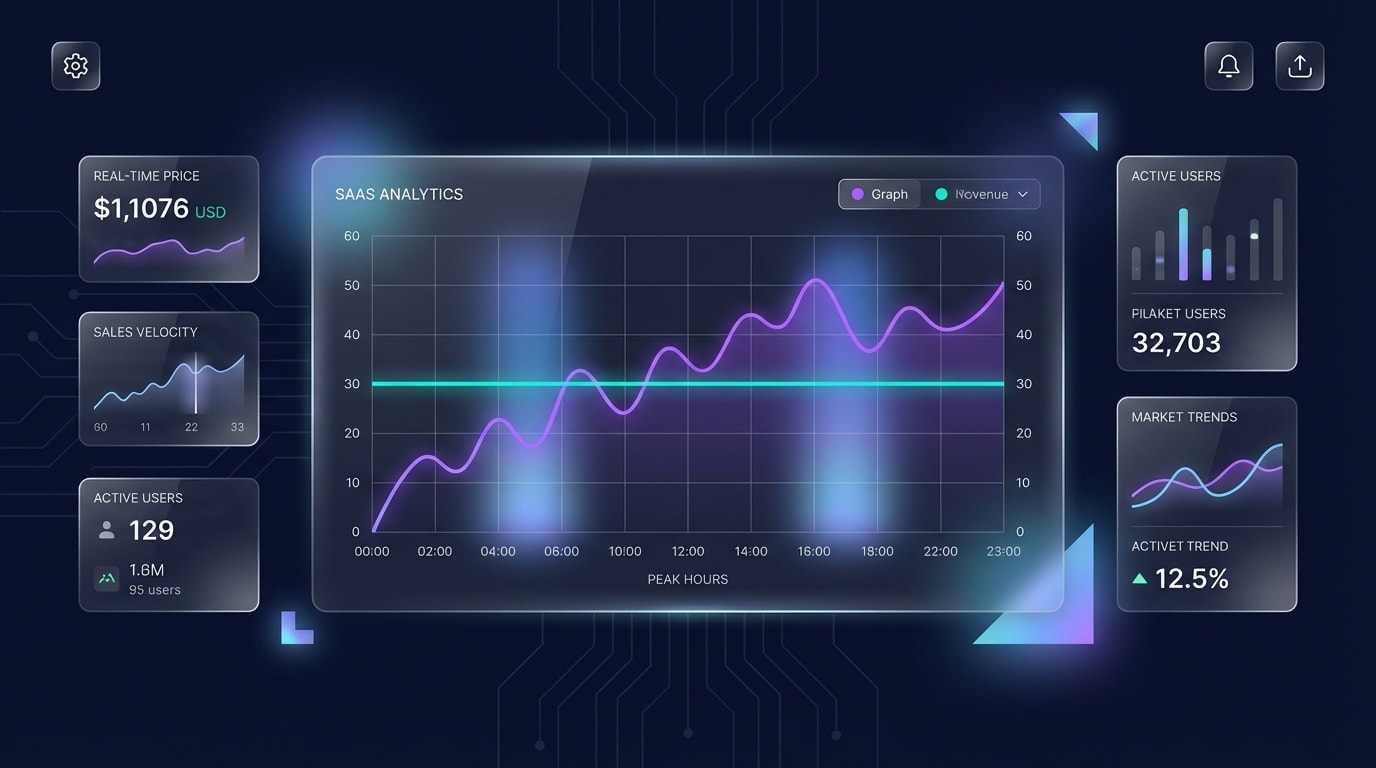
Smart pricing keeps your velocity steady when competitors try to undercut you
If you notice your sales velocity dipping, price adjustments can save your ranking. Knowing how to keep bestseller badge status requires agility during high-traffic shopping periods.
Monitor competitor flash sales:
If a rival drops their price, run a temporary 10 percent off coupon to maintain your conversion share.
Bundle for value:
Instead of dropping your core price, offer a complimentary accessory to keep velocity high.
Increase ad spend during dips:
Temporarily boost your PPC budget during historically slow hours to bridge the gap.
5. Display Shopify Badges Based on Real Logic
If you run an independent store, you do not have to wait for an algorithm. You control the environment. Mimicking the urgency and validation of marketplace badges without the volatility is a massive advantage.
- Set revenue-based systems using a product label app to automatically tag items that hit a specific threshold.
- Make the design visual by mimicking trusted marketplace icons, like orange ribbons or clean modern tags.
- Keep the display authentic by only placing badges on products that genuinely have high sales volume to maintain customer trust.
6. Capitalize on Seasonal Volume Shifts
Sales velocity requirements fluctuate wildly based on the time of year.
Why this matters: The daily sales required to hold a badge in July might double during Black Friday.
How to implement:
- Stock up appropriately: Running out of inventory instantly kills your sales rank. You can Automated Labels: Optimize Sales Efficiency with Automated Inventory Updates to ensure you never oversell or drop rank due to stockouts.
- Pre-season velocity building: Start running low-cost traffic campaigns two weeks before a major holiday to warm up your ranking.
- Adjust your Shopify rules: Raise the threshold during Q4 so the badge remains exclusive and meaningful on your own store.
IV. How to Build a Bestseller Badge Logic for Shopify
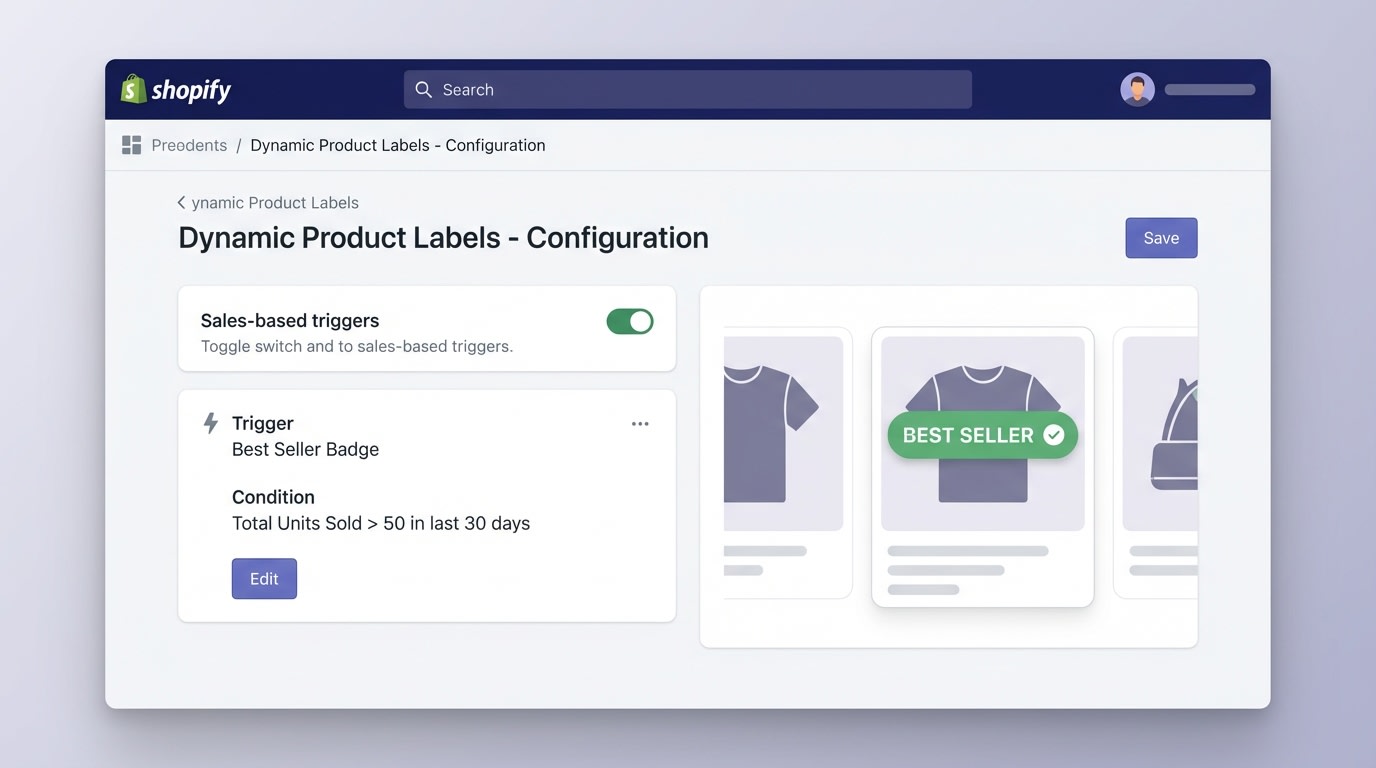
You can create your own algorithmic rules using smart Shopify apps
You do not need to be a developer to recreate marketplace requirements on your own site. Using Fordeer Product Labels & Badges, you can automate this entire process.
1. The Sales > X in Y Days Rule
The most authentic way to build this logic is by tying it to recent sales data. Instead of manually tagging products, set a dynamic rule in your label app. Configure the app to apply the badge automatically if an item sells more than 50 units in the last 7 days. This perfectly mimics the recent velocity aspect of major algorithms.
2. The Inventory Scarcity Combo
Combine your bestseller badge with a Low Stock warning. When a product is tagged as a best seller and the inventory dips below 10 units, displaying both signals creates an incredibly powerful sense of urgency. This ethical use of real-time data is one of the most effective ways to push hesitant buyers through the checkout process.
V. Conclusion
Navigating the bestseller badge rule does not have to be a guessing game. Whether you are targeting specific Browse Nodes to capture organic marketplace traffic or using smart apps to recreate that social proof on your independent site, success comes down to consistent sales velocity.
Start by applying the nesting strategy to new products, find your niche category, and let the algorithm do the heavy lifting for your conversions. You have the tools to build unparalleled trust with your buyers. You've got this!
Follow the Fordeer Team for more useful updates!
- Install Fordeer Apps for Free
- Get immediate assistance by chatting with us
- Join Fordeer Commerce Community for fresh app updates, expert tips, and private deals.