

Shopify Popup for Subscription Boxes: Capture Leads Before They Leave

Selling a subscription box is completely different from selling a one-time product. Yet, most merchants use the exact same generic popups across their entire store. When high-intent buyers are interrupted by a standard 10% off discount that clashes directly with your "Subscribe & Save" offer, you do not just lose a quick sale. You lose compounding recurring revenue.
Finding the right shopify popup for subscription box models requires thinking about the entire customer lifecycle. With over 370 apps in the Store Design category alone, merchants need a targeted solution. You need a setup that specifically integrates with recurring billing apps without slowing down store performance or violating compliance rules.
In this guide, we break down exactly why subscription popups need distinct logic. We will explore the lifecycle trigger strategy, share actionable tips to reduce subscriber churn, and cover essential compliance rules to protect your revenue stream. Let's dive in!
I. Why Subscription Popups Require a Different Approach
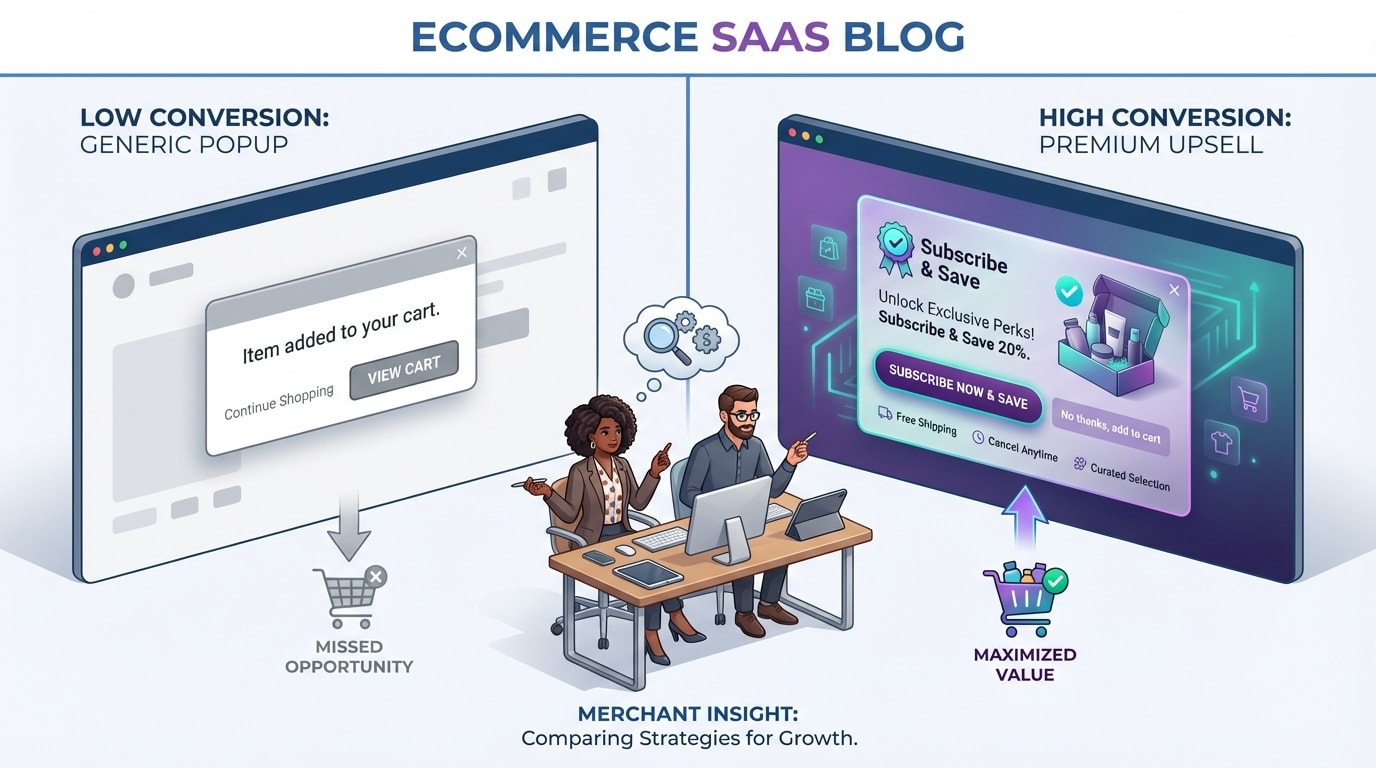
Generic popups often interrupt the subscription flow. Specialized logic keeps buyers focused on recurring value.
1. The "Add to Subscription" Logic
Standard popups push users toward a basic cart checkout. Subscription boxes rely on specific recurring billing apps like Recharge or Skio instead. Generic top-of-funnel email captures often break this dedicated checkout flow. You need middle-of-funnel upsell mechanics that route shoppers directly into your subscription portal. A standard cart button bypasses your recurring billing entirely.
2. Guarding Customer Lifetime Value (CLV)
Subscription boxes represent high-ticket commitments. Slapping a steep initial discount on your site immediately devalues your curated monthly box. Instead of generic percentage drops, protect your perceived value by offering a free first-box gift. This preserves pricing integrity while still heavily incentivizing the signup. Your goal is to attract loyal subscribers, not bargain hunters.
3. Avoiding Store Performance Issues
Heavy popup scripts kill your page speed. When running complex subscription management tools simultaneously, lightweight code becomes critical. A slow site drives subscribers away before they even see your offer. To keep things fast, you should implement effective sales popup practices to boost sales and conversions without compromising your mobile design. Fast sites simply convert better.
II. 6 Strategies to Optimize Your Subscription Box Popups
Moving beyond basic welcome mats requires behavior-driven optimization. Here are six actionable strategies to maximize your recurring revenue captures.
1. Implement the "Subscription Lifecycle Trigger" Strategy
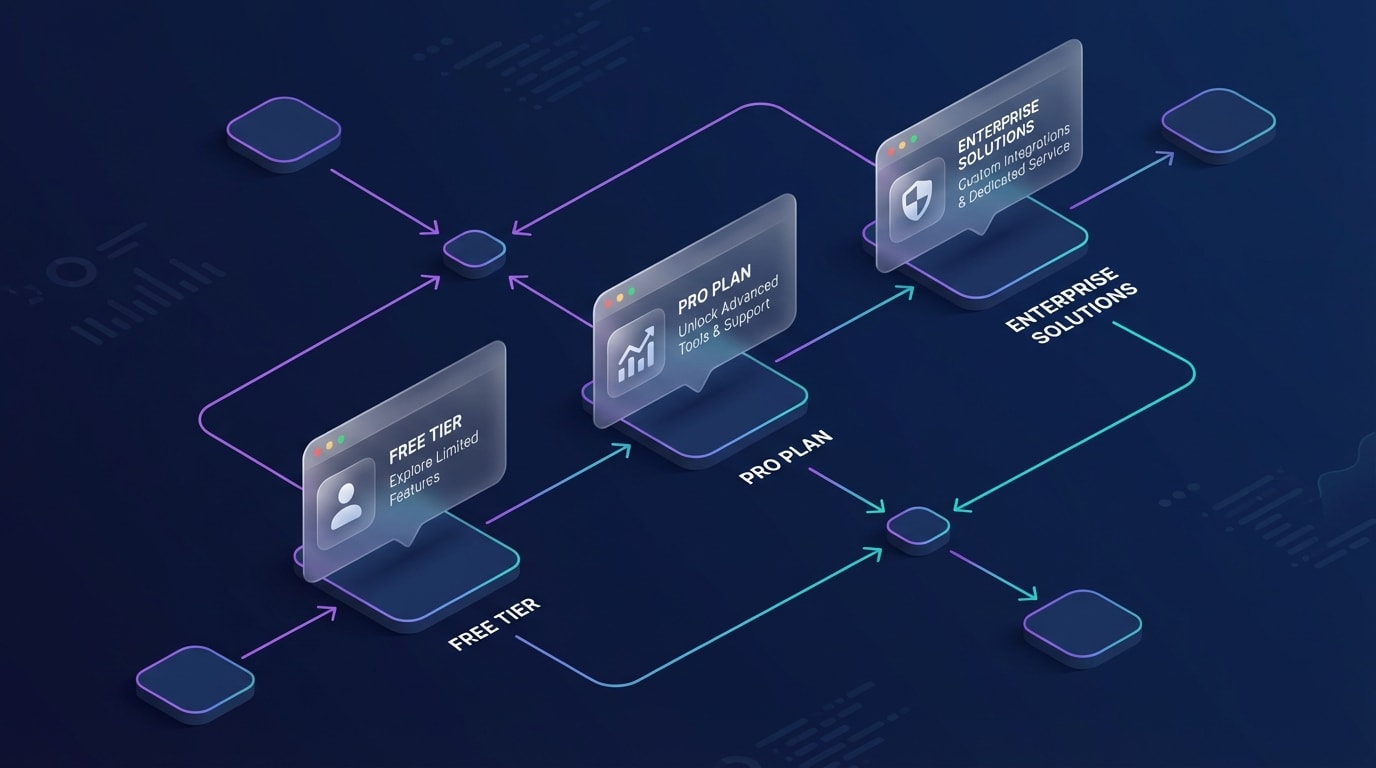
Triggering popups based on customer tags prevents annoying active subscribers with new-customer offers.
Most competitors treat popups as a one-size-fits-all lead capture tool, but subscription businesses rely on lifecycle stages. High-intent subscription customers are deterred by generic discounts that clash with recurring value propositions.
Here is how to implement this:
- Use Customer Tags: Configure your popup app to hide welcome offers from logged-in users tagged as "active_subscriber".
- Target Paused Users: Trigger a specific reactivation popup for users tagged "cancelled" or "paused" when they return to your site.
- Milestone Rewards: Display a free gift popup when an active subscriber visits your site during their third or sixth month.
This ensures your popups enhance the recurring flow rather than interrupting it.
2. Deploy Exit-Intent Popups for Churn Reduction
While most stores use exit intent popups to stop cart abandonment, subscription boxes can use them to prevent long-term churn. A user leaving a subscription landing page is walking away from months of potential revenue.
How to implement:
- Focus on Value, Not Just Price: Instead of 10% off, offer a free mystery item in their first box if they complete checkout now.
- Use Teasers: Display a monthly box teaser highlighting next month's exclusive items to build immediate desire.
- Capture Feedback: Use a micro-survey popup right on the cancellation portal to offer a temporary pause instead.
Pro Tip: Set your exit-intent trigger sensitivity to High on desktop, but rely on scroll-depth triggers for mobile users since mobile exit-intent can be unreliable.
3. Master the Subscription Upsell Popup
Upselling is the fastest way to increase your Average Order Value without acquiring new customers. A subscriber is already committed to purchasing. Offering a one-time add-on or a tier upgrade works exceptionally well. To do this right, you must master your conversions with effective popup triggers for Shopify.
How to implement:
- In-Cart Upsells: Trigger a lightbox popup when they add a base subscription to their cart, offering a premium tier for just $5 more a month.
- One-Time Add-ons: Offer complementary one-time products. Pair a specialty coffee mug alongside a monthly coffee subscription.
- Fordeer Integration: Utilize tools like Fordeer Sales Pop Up to create seamless upsells that match your specific store design perfectly.
4. Optimize for "Add to Subscription" vs. Standard Cart
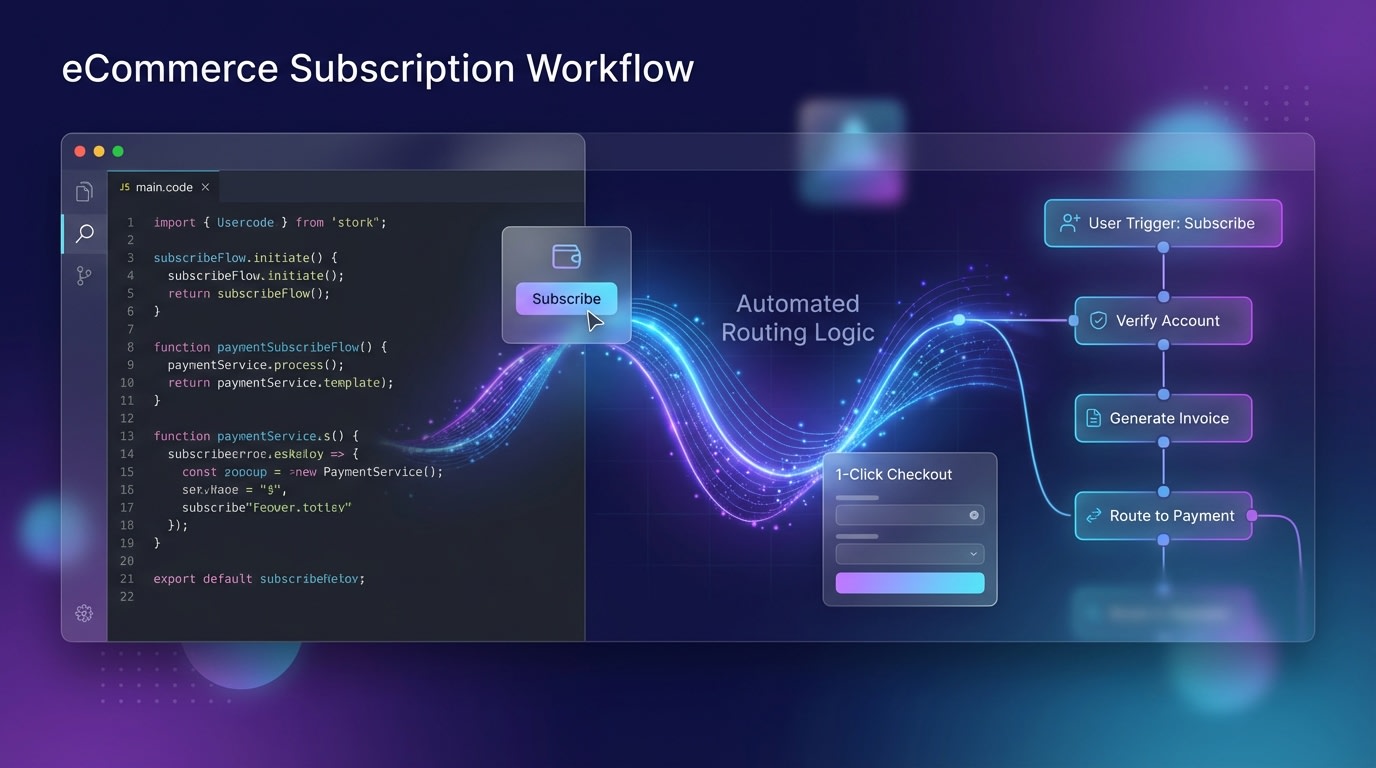
Ensure your popup buttons communicate directly with your recurring billing app.
A major frustration for merchants is when a popup discount fails to apply to a recurring cart. Subscription checkouts use unique permalinks and API structures. A standard discount code often breaks the cart entirely.
How to implement:
- Check App Compatibility: Ensure your popup tool integrates natively with your subscription app.
- Auto-Apply Logic: Set the popup button to auto-apply the discount exclusively to the recurring product variant ID.
- Clear Copy: Make sure the button text clearly says "Claim My First Box" rather than a generic "Buy Now."
5. Leverage Free and Cost-Effective Setup Options
Many merchants wonder how to set up a subscription popup on their website for free while actively growing their subscriber base. Testing different offers requires extreme flexibility without high upfront app costs.
How to implement:
- Start with Free Tiers: Look for apps on the Shopify App Store offering generous free tiers based entirely on store traffic.
- Utilize Theme Settings: Explore your native Shopify Liquid theme settings before adding third-party code.
- Test Fordeer's Free Options: Consider using Fordeer's free tier, specifically tailored to help test high-converting captures without financial risk.
6. Personalize with Geolocation and Behavior
Subscription boxes often have complex shipping rules or limited regional availability. You do not want to capture a lead in a region you cannot fulfill.
How to implement:
- Geotargeting: Restrict your welcome popups to display only in countries where your subscription box ships.
- Traffic Source Alignment: Show different popups based on where the user came from. A TikTok campaign requires a different hook than organic search.
- A/B Testing: Continuously test a free shipping offer against a bonus item to see exactly which drives a higher Customer Lifetime Value.
III. Compliance and Technical Considerations
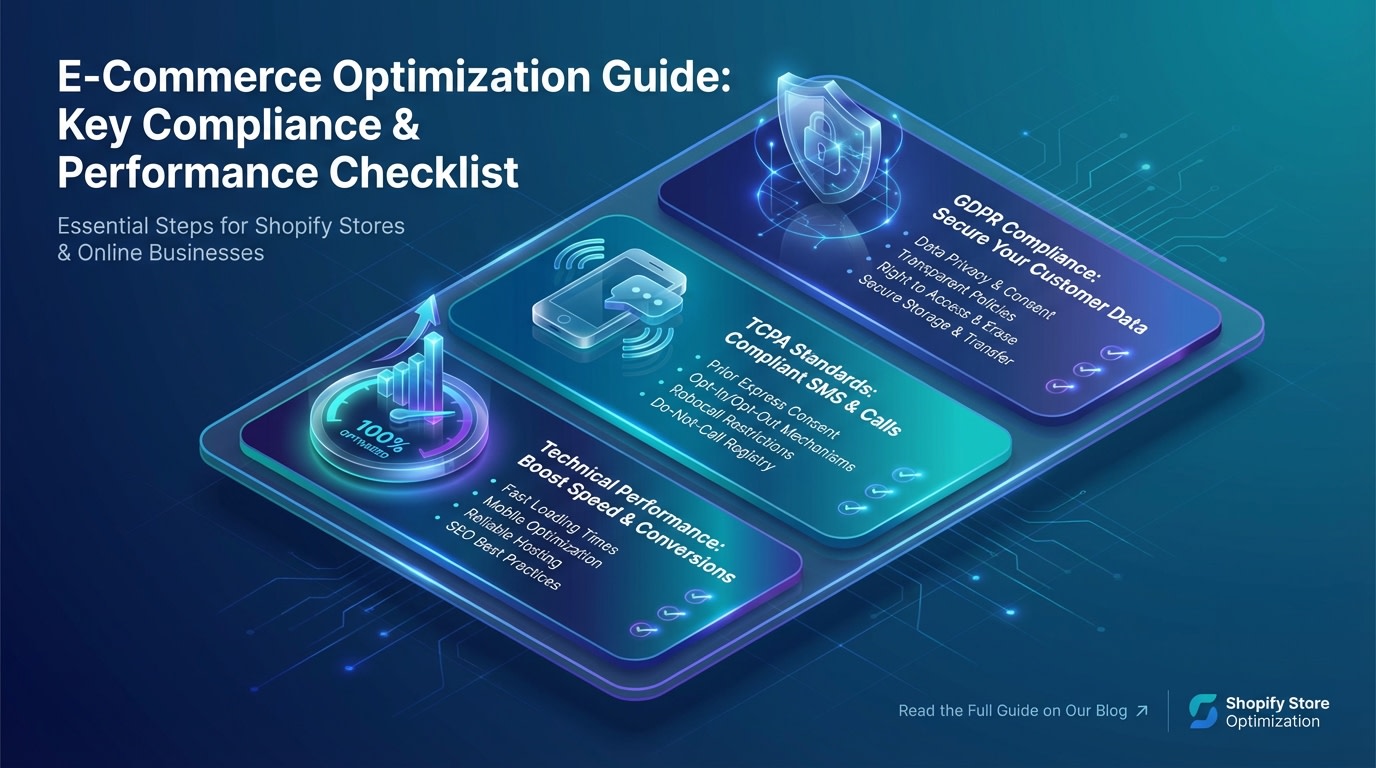
Protecting your recurring revenue means staying compliant with data capture laws.
Before finalizing your custom setup, there are a few technical and legal hurdles specific to recurring billing that you must absolutely address.
1. GDPR & TCPA Compliance for Recurring Billing
Capturing data for recurring subscriptions carries much stricter compliance expectations than standard sales. You need explicit opt-in checkboxes on your popups, especially if capturing SMS data for recurring charges. Failing to meet TCPA standards can easily result in massive fines. This emphasizes the vital need for a compliant popup builder from day one.
2. Managing Technical Liquid Implementation
Intermediate merchants look for customization far beyond basic app settings. Developers can use Shopify Liquid to create custom triggers that check a customer's entire subscription history before ever rendering a popup. While custom Liquid is powerful, using a well-coded app prevents theme update conflicts and saves hours of technical troubleshooting.
3. Safely Using Urgency and "Fake Sales"
Approach sales popups in the subscription niche ethically at all times. Contrast spammy fake sales popups with genuine, inventory-based scarcity. Stating "Only 15 boxes left for this month's curation" drives real action because it is honest. Authentic urgency builds long-term trust. That trust is the absolute cornerstone of subscription retention and recurring revenue growth.
IV. Conclusion
So there you go. Finding the right shopify popup for subscription box success is entirely within your reach. By moving away from generic discounts and embracing lifecycle triggers, targeted upsells, and churn-reduction strategies, you can aggressively protect and grow your recurring revenue.
You do not have to tackle everything today. Start by simply adjusting your exit-intent offer, then gradually introduce advanced lifecycle targeting. Every optimization step directly impacts your bottom line. Do not let poorly timed popups interrupt your "Subscribe & Save" flow any longer. Start optimizing your customer journey today!
Follow the Fordeer Team for more useful updates!
- Install Fordeer Apps for Free
- Get immediate assistance by chatting with us
- Join Fordeer Commerce Community for fresh app updates, expert tips, and private deals.