

Shopify Popups for Influencer Traffic: Tailor Your Offer to the Audience
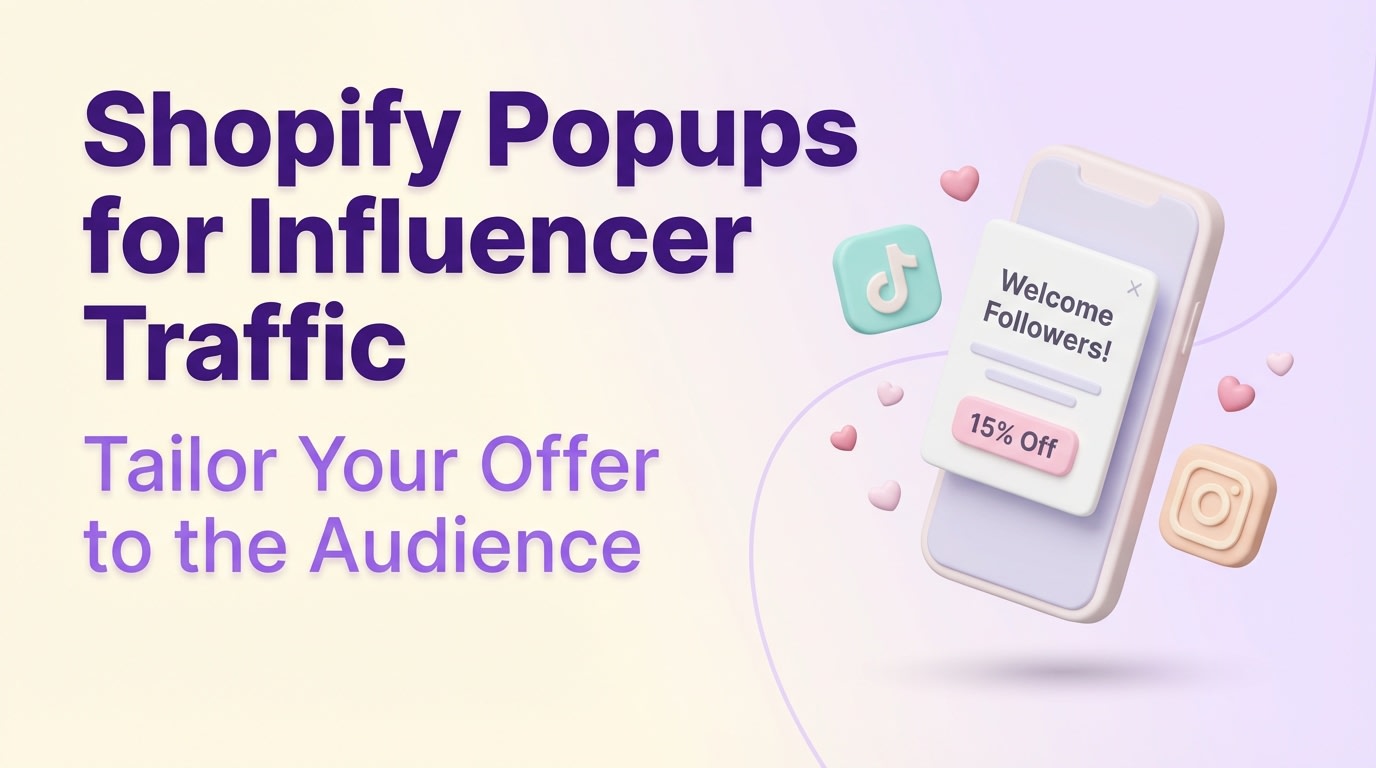

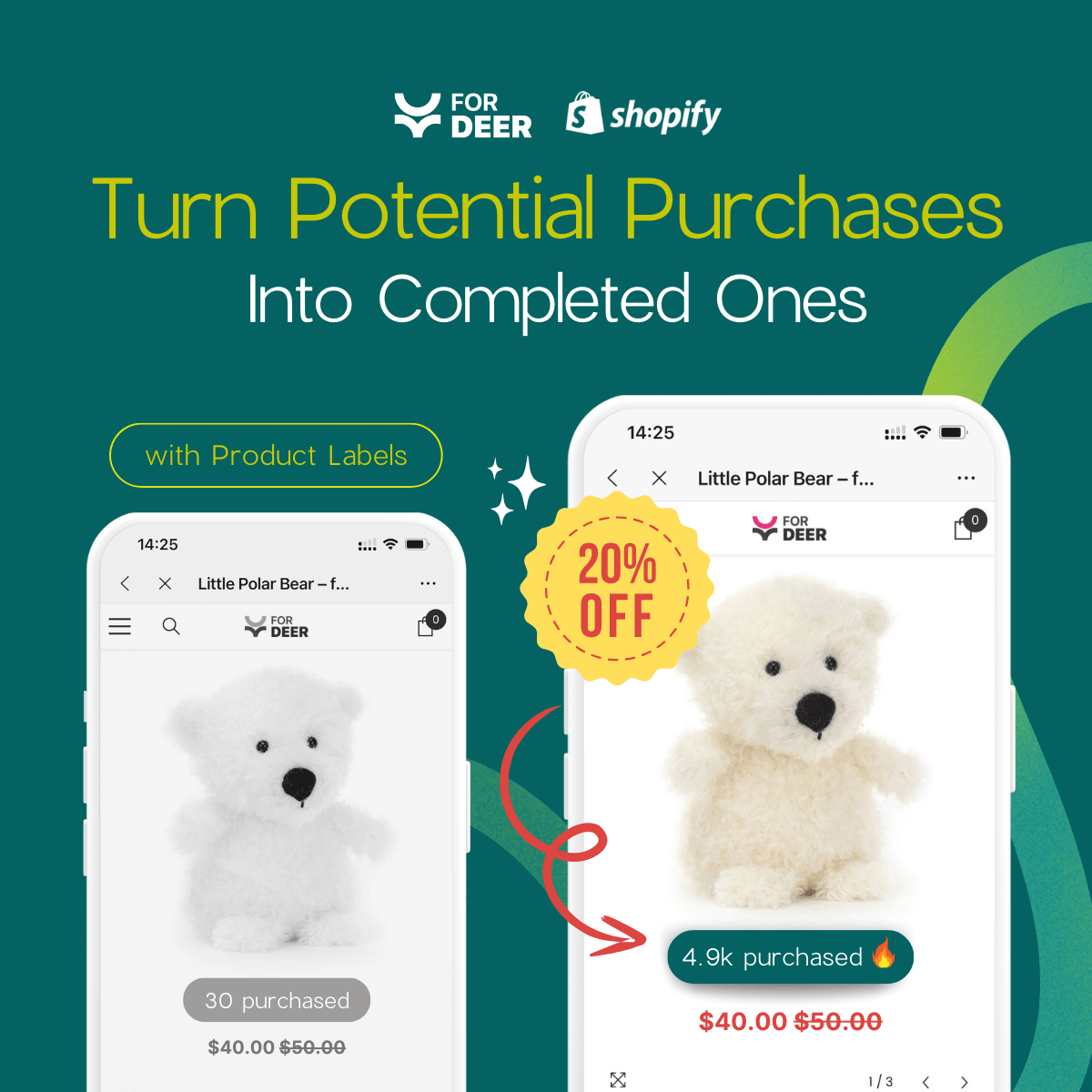
Imagine this. A major influencer just mentioned your brand on TikTok. Your real-time analytics show a massive traffic spike with thousands of active visitors. But an hour later, the spike fades, and you have almost zero new email subscribers or sales to show for it. Why? Because you treated high-trust, mobile-first social traffic exactly the same as a random Google searcher.
Generic lead capture strategies do not work for viral audiences. Setting up a dedicated shopify popup for influencer traffic requires specific technical tweaks to handle flash interest. Merchants who simply throw up a standard discount wheel are tanking their site speed and frustrating mobile users browsing via in-app browsers.
In this guide, we break down exactly why standard popups fail during viral moments. More importantly, we walk you through advanced URL parameter targeting, mobile-first design adjustments, and attribution strategies to turn fleeting influencer traffic into a permanent, profitable email list.
Let's get started.
I. Why Standard Popups Fail During Traffic Spikes

A sudden traffic spike means nothing if your lead capture isn't optimized for social browsers.
A sudden surge of visitors feels great until you check your conversion rate. Standard lead capture tools are built for desktop-first, intent-driven shoppers. Social traffic behaves entirely differently.
1. The Mobile In-App Browser Trap
Over 90% of influencer traffic comes directly from mobile in-app browsers like Instagram or TikTok. Center-screen popups are notoriously difficult to close on these specific browsers. The close button often hides behind native app navigation bars. When users cannot easily dismiss a popup, they instantly bounce. You need a thumb-friendly design to keep them on your site.
2. Site Speed and Flash Interest
Industry data from OptiMonk and AiTrillion highlights site speed as the top priority for high-traffic stores in 2026. Heavy, script-loaded pop up notification shopify apps can crash or lag when 5,000 visitors hit your site simultaneously. Flash interest requires lightweight, edge-delivered popup scripts that do not interfere with your Core Web Vitals.
3. The Influence-to-Inbox Disconnect
Here is the core issue. Social visitors trust the influencer, not necessarily your brand yet. Showing a generic welcome message breaks that chain of trust immediately. They clicked a link expecting a specific promise. You must bridge this gap with personalized popups that match the influencer's exact brand and offer.
II. 5 Strategies to Convert Influencer Traffic
Customizing a free shopify popup for influencer traffic does not require a developer. By utilizing smart targeting rules, you can create a seamless transition from social media to your storefront.
1. The URL Parameter (?ref=) Welcome Strategy
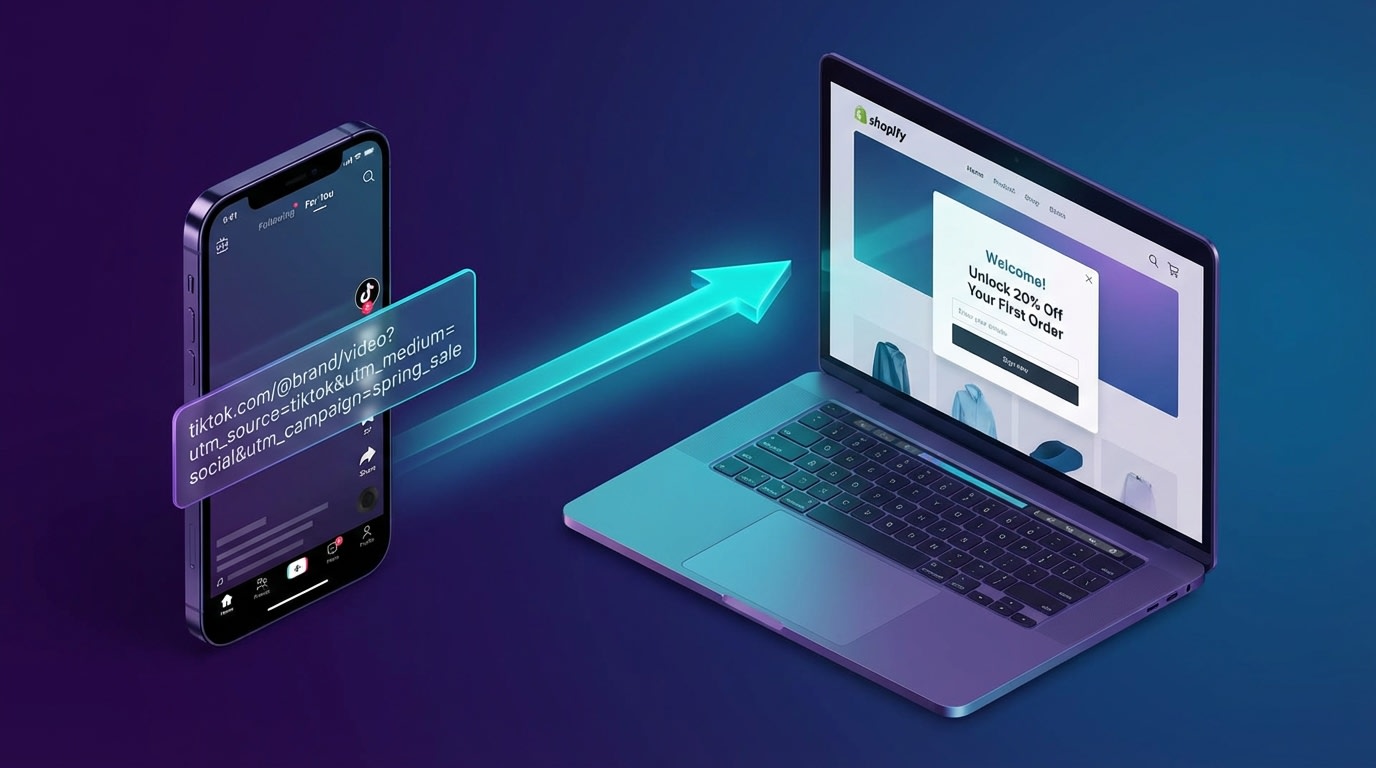
Match your popup's messaging directly to the influencer who sent the traffic.
How do you make a shopify discount popup specifically for one influencer's audience? The answer is URL parameter targeting.
Why this matters: When a user clicks a link in an influencer's bio, they expect the exact deal they were promised. If they have to search your site for it, they leave.
How to implement:
- Set up custom UTMs: Give the influencer a specific link like
yoursite.com/?ref=sarah_tiktok. - Configure display rules: In your popup app settings, set the trigger to only show when the URL contains
ref=sarah_tiktok. - Personalize the copy: Change the headline from a generic greeting to "Welcome Sarah's followers! Claim your exclusive 15% off."
This simple URL-triggered setup bridges the trust gap immediately.
2. Deploy Mobile-First Slide-ins Over Center Popups
When optimizing for TikTok and Instagram referrals, the physical placement of your popup can make or break your conversion rate.
Why this matters: Full-screen popups often overlap with native in-app browser navigation bars. This makes the close button impossible to tap.
How to implement:
- Use bottom slide-ins: Position your popup to slide up from the bottom 30% of the screen. This keeps it within natural thumb reach.
- Limit input fields: For mobile traffic, only ask for an email address. Never ask for a first or last name on an initial social referral.
- Ensure high-contrast close buttons: Make it incredibly easy for them to dismiss the offer so they can actually view your products.
To dive deeper into setting up these exact rules, check out our guide on how to Master Your Conversions: The Ultimate Guide to Effective Popup Triggers for Shopify.
3. Auto-Apply Influencer Discount Codes
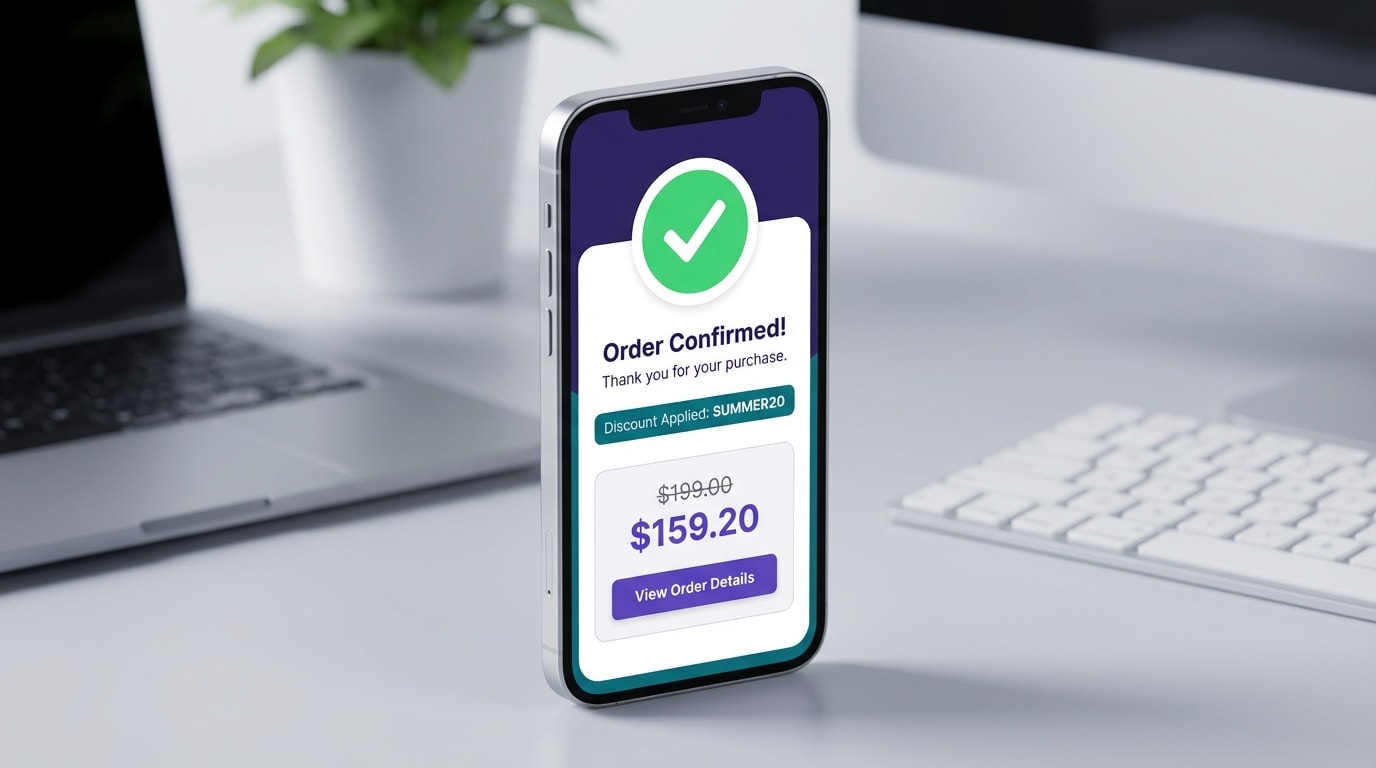
Reduce friction by automatically applying the discount to their cart.
Making users memorize a promo code is a massive conversion killer for middle-of-funnel traffic.
Why this matters: Social traffic is distracted traffic. If they have to switch tabs to remember the code, you lose the sale.
How to implement:
- Use a 1 click popup shopify setup: When they submit their email, the call-to-action button should say "Shop with 15% Off Applied."
- Shareable discount links: Use Shopify's native shareable discount links as the button destination within the popup's success state.
- Clear cart messaging: Ensure your cart drawer reflects that the influencer's specific discount is already active.
Pro Tip: Combine this with a sticky bar that remains at the top of the screen during their session to remind them the code is active.
4. Optimize Scripts for Flash Traffic Loading
Wondering how to change pop up on Shopify without affecting site speed during a viral post? You must prioritize your server load times.
Why this matters: When 10,000 people hit your site in five minutes, heavy visual apps throttle your server response times.
How to implement:
- Delay the trigger: Never show a popup on zero seconds. Delay it by three to five seconds or 30% scroll depth to allow main product images to load first.
- Compress popup imagery: Keep the image inside the popup under 100kb. Avoid heavy GIFs for flash traffic.
- Audit your app stack: Ensure you use some of the best shopify popup apps that utilize asynchronous script loading to prevent blocking the main page rendering.
5. Tailor Exit-Intent for Social Browsers
Standard exit intent popup technology relies on cursor movement. This does not exist on mobile devices where influencer traffic lives.
Why this matters: If you rely on desktop exit-intent, you completely miss the opportunity to capture abandoning social visitors.
How to implement:
- Trigger on the back button: Set your mobile exit-intent to trigger when the user hits the browser's back button or swipes back.
- Fast-scroll triggers: Configure the popup to appear if a user aggressively scrolls up toward the top of the screen.
- Address cart abandonment shopify specifically: If they added an item to their cart but trigger mobile exit-intent, ensure the popup reminds them about the influencer's limited-time code.
For a complete breakdown of recovering lost sales, explore these Effective Sales Popup Practices to Boost Sales and Conversions.
III. Advanced Influencer Attribution Logic
Capturing the lead is only step one. The real return on investment for merchants comes from mapping social handle data to your long-term email profiles.
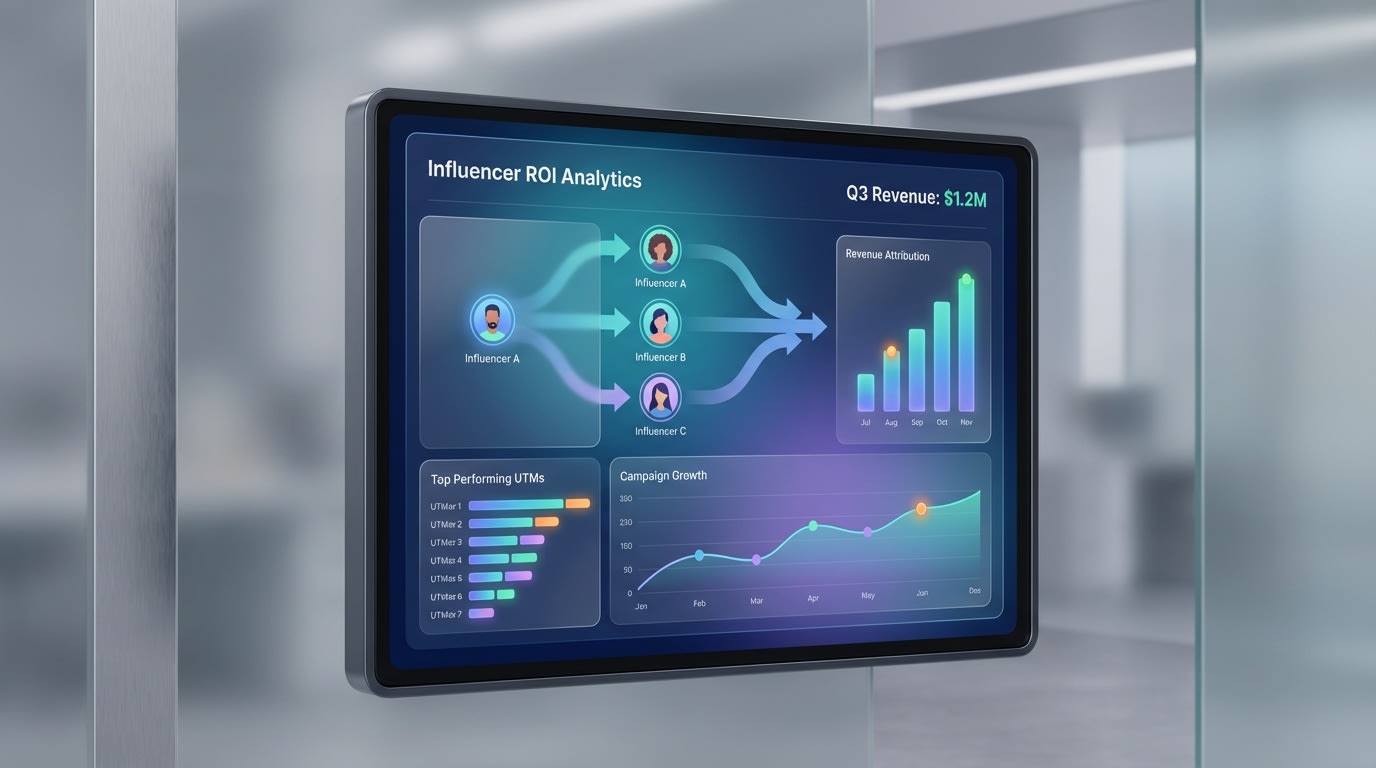
Proper popup setup solves the influencer ROI attribution nightmare.
1. Tagging Subscribers in Klaviyo or Mailchimp
Pass the UTM parameters from your popup directly into your email service provider as hidden fields.
Why it matters: This allows you to create specific segments like "Acquired via Sarah_TikTok."
Future marketing: You can later send targeted email campaigns referencing the exact influencer they follow. This significantly increases your open rates.
2. The Offline-to-Online QR Code Bridge
Can you use unique QR codes to trigger popups for offline events? Absolutely.
Influencers at pop-up shops or conventions can use physical QR codes that link to a specific UTM. When a fan scans the code, your Shopify store opens and instantly triggers the personalized welcome popup for that specific real-world event.
3. A/B Testing the Referral Hook
Social traffic is unpredictable. You must test what incentive actually works for different audiences.
Compare a standard 15% off discount against a free gift with purchase. Free gifts often perform better for beauty and fashion influencer traffic. Always ensure you have statistical significance before declaring a winning popup strategy for your high-traffic campaigns.
IV. Conclusion
So there you go—optimizing a Shopify popup for influencer traffic does not have to be a guessing game. Standard lead capture fails during viral moments because it ignores the unique behavior of mobile-first social media audiences.
By leveraging URL parameter targeting, prioritizing thumb-friendly slide-ins, and properly tagging your new subscribers for accurate attribution, you can finally turn fleeting social media spikes into a highly profitable, permanent email list. You already did the hard work of getting the traffic. Now it is time to capture it efficiently.
Follow the Fordeer Team for more useful updates!
- Install Fordeer Apps for Free
- Get immediate assistance by chatting with us
- Join Fordeer Commerce Community for fresh app updates, expert tips, and private deals.