

Using Popups to Promote Your Shopify Loyalty Program (Without Annoying Members)

There are over 302 apps in the loyalty and rewards category on Shopify, yet many merchants still struggle with a frustrating reality. Nobody is signing up. Why? Because your rewards are hiding inside a tiny, easily ignored launcher widget at the bottom of the screen.
This is where a well-timed Shopify popup for loyalty rewards changes the game. While popups get a bad reputation for being intrusive, using smart triggers transforms them from an annoyance into a highly converting activation layer. It puts your hard work front and center exactly when the customer is most engaged.
In this guide, we will break down the popup paradox. We will show you why active triggers beat passive widgets and walk you through six actionable strategies to build popups that actually convert. Let's turn casual browsers into lifelong VIPs.
I. Overview of the Popup Paradox
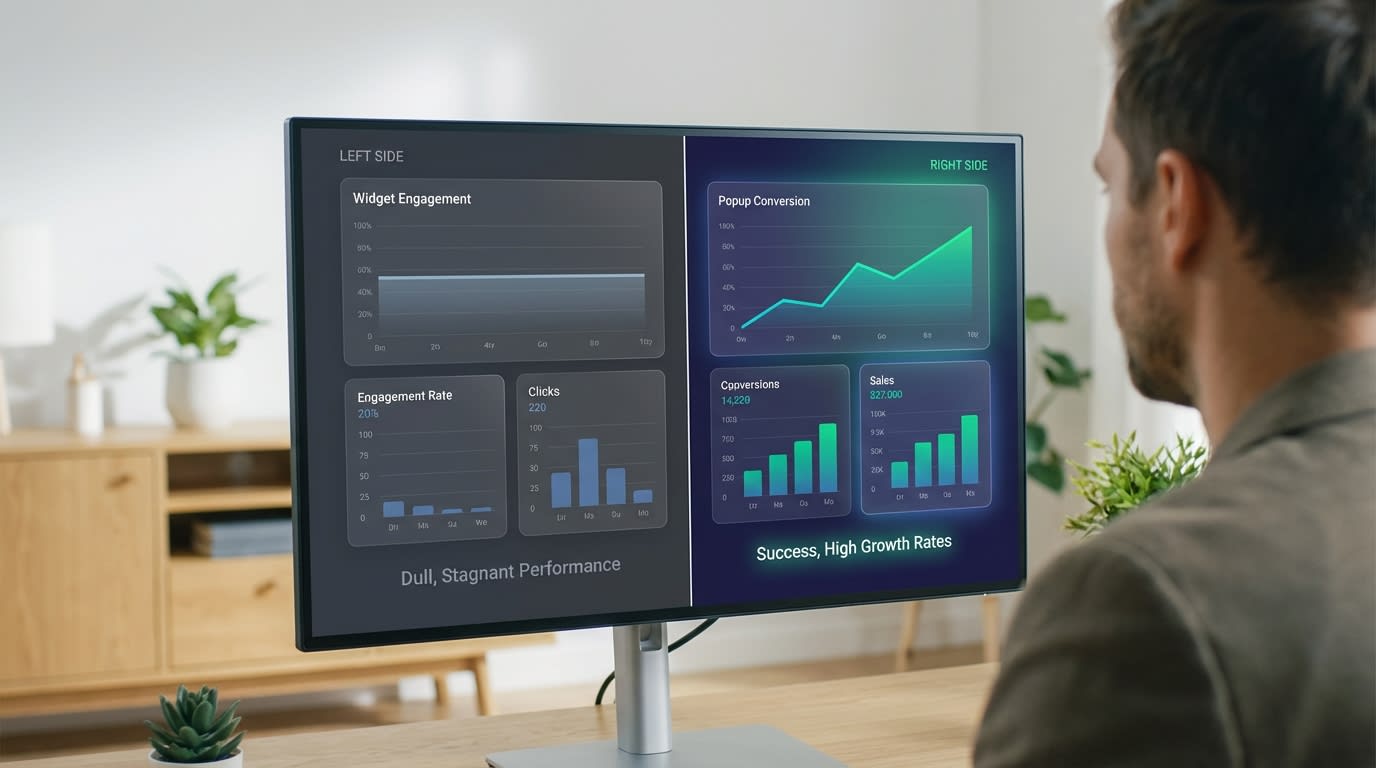
Passive widgets often get ignored, while strategic popups actively capture attention.
1. The Problem with Passive Widgets
Most loyalty programs rely on a default setup. A small, floating gift icon sits quietly in the corner of your store. Over time, shoppers develop widget blindness. You have a fantastic rewards program, but your early data collection is suffering because customers simply do not know it exists. They check out as guests and leave points on the table.
2. The Power of Active Triggers
Using active triggers increases sign-up rates by up to 3x compared to passive widgets. A popup acts as the crucial activation layer for platforms like Smile.io or LoyaltyLion. You actively present the value proposition instead of waiting for clicks. Reaching customers at the right psychological moment matters more than just having a program installed. You are turning a passive background feature into a proactive marketing asset.
3. Impact on Customer Lifetime Value (CLV)
A well-structured loyalty program can increase your average order value (AOV) by up to 20%. Capturing an email or SMS through a loyalty popup early in the journey accelerates this ROI. Once they are in your system, you can nurture them with point reminders and VIP tier updates. That upfront popup conversion directly fuels long-term repeat business. The sooner they join, the faster they become profitable repeat buyers.
II. 6 Strategies to Build High-Converting Loyalty Popups
Building a Shopify popup for loyalty rewards requires strategic timing, compelling offers, and frictionless design. Here is how to execute it flawlessly.
1. Swap Time-on-Page for Exit-Intent Triggers
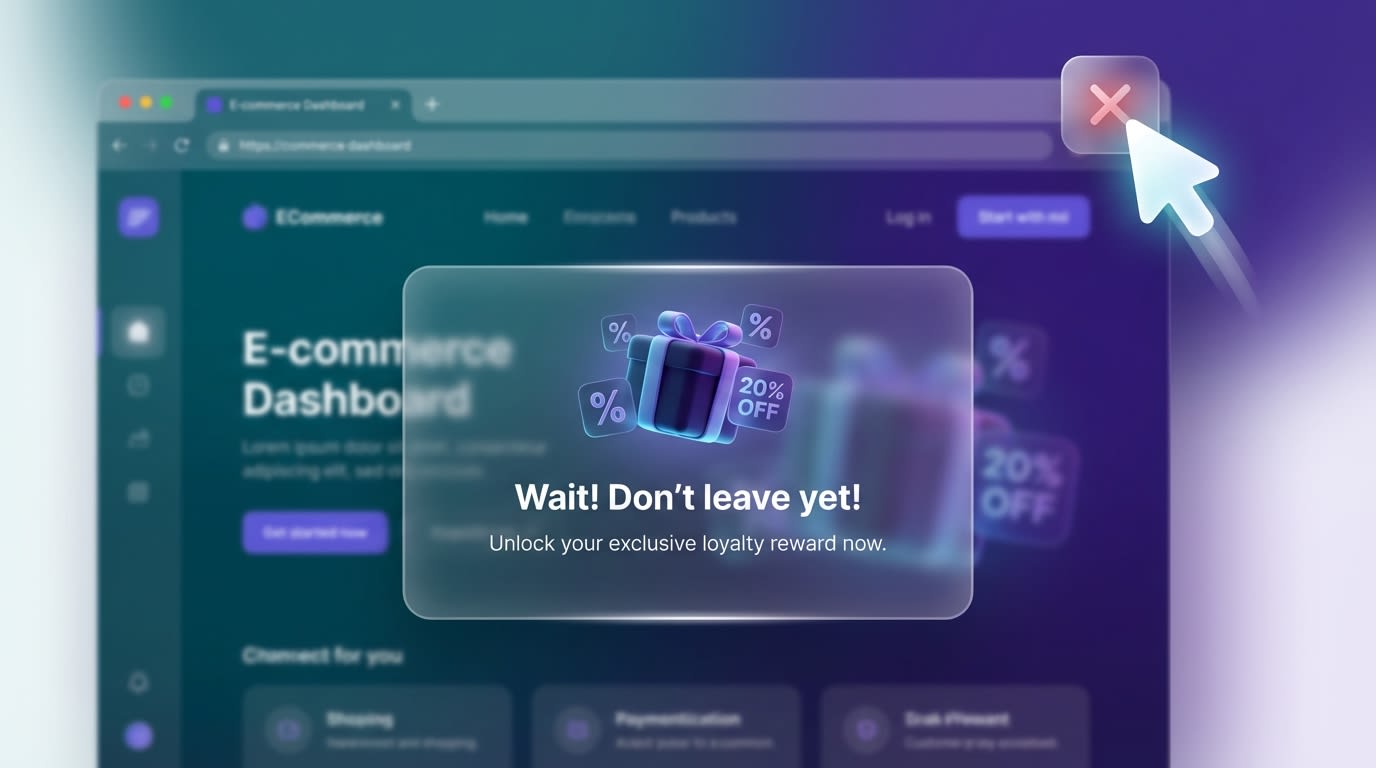
Exit-intent technology captures attention right before a visitor leaves.
Triggering a popup three seconds after a visitor lands interrupts their shopping experience. Instead, leverage intent.
Why this matters: Exit-intent technology significantly reduces bounce rates. You can easily boost B2C conversion rate with welcome popup ideas by offering a loyalty start-up bonus right as first-time visitors decide to leave.
How to implement:
- Track behavior: Set the popup to trigger only when the cursor breaks the browser plane.
- Craft the rescue offer: Frame the popup as a loss-aversion tactic. Say something like, "Wait. Don't leave your 50 welcome points behind."
- Delay mobile triggers: Mobile devices lack a cursor. Use fast-scroll-up detection or cart-abandonment triggers instead to capture that same exit intent.
2. Offer Micro-Incentives for Instant Action
Customers need a fair trade of value to sign up. Do not just ask them to join. Bribe them elegantly.
Why this matters: Customers need immediate gratification. Gamification and micro-incentives lower the barrier to entry and make the decision easy.
How to implement:
- The sign-up bonus: Offer an immediate 50 to 100 points just for submitting their email in the popup.
- The social follow: Add a secondary button offering an extra 10 points for following your Instagram right from the popup window.
- Cashback framing: Translate points into real monetary value on the popup. "Get 100 points = $5 off your order today" converts better than just stating a point value.
3. A/B Test Clear Headlines vs. Clever Copy
Your headline decides if a customer engages or clicks close.
Why this matters: Many merchants use vague copy like "Join our VIP Club." Testing shows that specific, quantifiable headlines perform significantly better.
How to implement:
- Test Variant A (Value-focused): Try a direct headline like "Get 100 Points Now."
- Test Variant B (Exclusivity-focused): Test an emotional hook like "Unlock VIP Rewards & Free Shipping."
- Measure the right metric: Do not just look at view counts. Track which headline drives actual account creations and subsequent purchases.
Pro Tip: Keep your subtitle under two sentences. Shoppers scan popups in milliseconds. If they have to read a paragraph, they will close it.
4. Design Mobile-First Without the Clutter
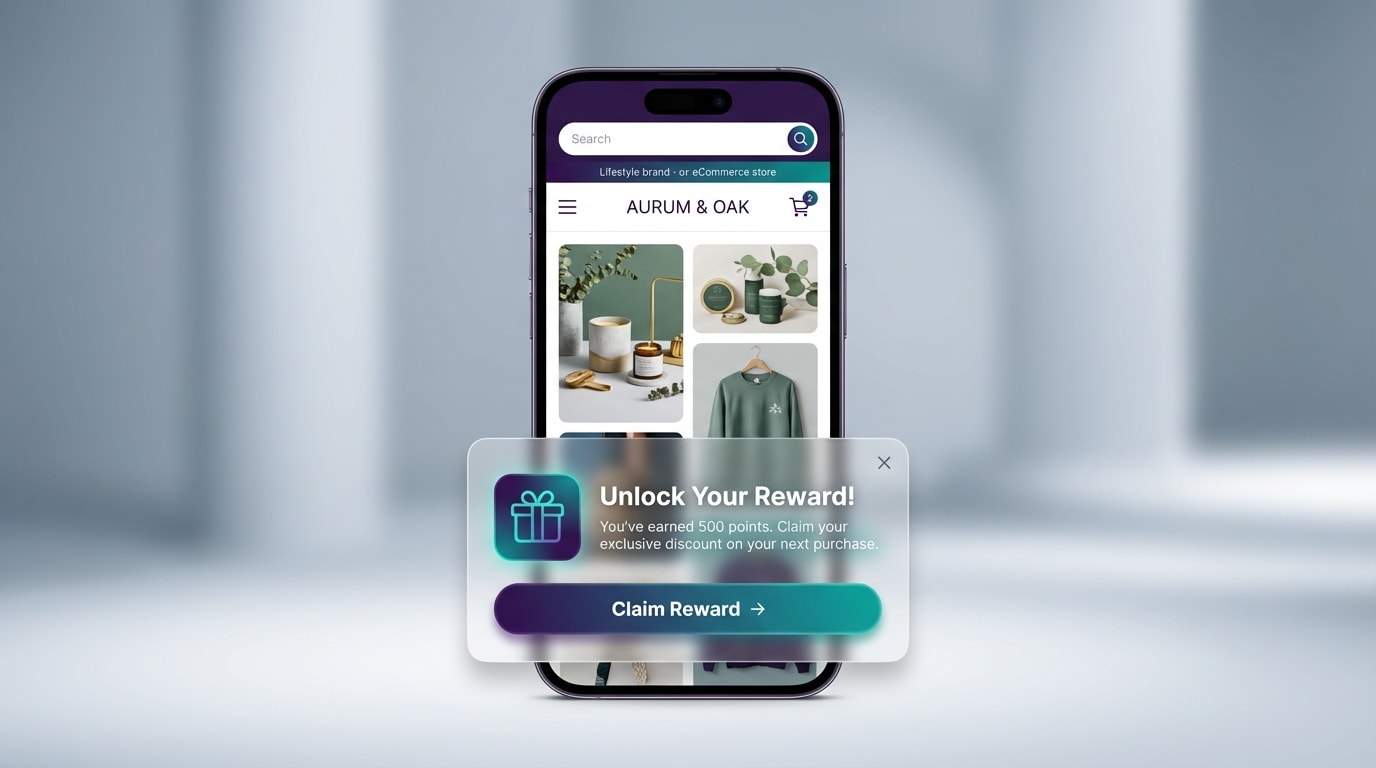
Ensure your mobile popups respect Google's intrusive interstitial guidelines.
Popups are perceived as annoying when they break the mobile shopping experience. Over 70% of Shopify traffic is mobile. A clunky, non-responsive popup will hurt your SEO and infuriate your customers.
How to implement:
- Use partial-screen formats: Opt for a slide-in banner or bottom-sheet popup rather than a full-screen takeover.
- Ensure an easy exit: Make the close button large and easy to tap with a thumb.
- Perfect the timing: Do not show the mobile popup immediately. Mastering popup timing for sales boost: 6 simple secrets reveals that delaying your display by just 10 seconds improves engagement.
- Match your theme: Use your brand's exact hex codes and typography so the popup feels native to your store.
5. Promote VIP Tiers Directly in the Popup
Do not just sell the entry-level points. Sell the destination.
Why this matters: Highlighting future benefits like free shipping creates a fear of missing out.
How to implement:
- Visual roadmaps: Include a tiny graphic showing Bronze, Silver, and Gold tiers to spark curiosity.
- Highlight the top perk: Mention the most desirable VIP reward in the popup copy. Try phrasing like, "Sign up to start earning your way to free priority shipping."
- Segment your popups: If a customer is logged in but hasn't joined the program, show them a targeted message. "You are only 1 purchase away from Silver Tier" works wonders.
6. Follow a Simple No-Code Setup Formula
Merchants often avoid setting up customized loyalty popups because they fear touching Liquid code. You can launch a high-converting popup today using native Shopify app integrations without hiring a developer.
Here is the exact setup process:
- Choose your builder: Install a dedicated popup app like Fordeer Sales Pop Up that allows custom form integrations.
- Connect the backend: Link it directly to your loyalty provider like Smile.io or LoyaltyLion.
- Set display rules: Configure the trigger to exit-intent and set the frequency to show once every 7 days per user.
- Map the fields: Ensure the email captured syncs to Shopify Customers and tags them as a loyalty member automatically.
III. Other Things to Keep in Mind
While the frontend design is crucial, the backend operations of your Shopify popup for loyalty rewards dictate its long-term success.
1. Syncing with Your Marketing Stack
Capturing an email in your loyalty popup is only step one. The real magic happens when you integrate that data with your broader marketing ecosystem.
If you use platforms like Klaviyo or Omnisend, ensure your popup app pushes custom properties directly into the customer profile. Track data points like their loyalty points balance or current VIP tier. You can trigger a points reminder email when a customer is close to a reward. Also consider integrating SMS capture directly into the popup. Offering an extra 20 points for a phone number can double your marketing ROI by opening a high-converting communication channel.
2. Finding a True Free Shopify Loyalty Program
Many merchants want to test loyalty popups before committing to a hefty monthly subscription. While there are free Shopify loyalty apps available, you need to look closely at what is actually included in the base tier.
When evaluating a free plan, check if it allows you to integrate with third-party popup builders. Some apps force you to use their basic, uncustomizable widget. A viable free plan should give you access to standard points-earning rules and referral links. By pairing a robust free loyalty backend with a dedicated popup app, you can build a premium rewards experience on a bootstrap budget.
IV. Conclusion
So there you go—relying on a hidden widget is costing you valuable sign-ups. A strategic Shopify popup for loyalty rewards can completely turn that around. By shifting to active triggers like exit-intent, offering micro-incentives, and designing for mobile, you transform an annoying interruption into a high-value customer acquisition tool.
You do not need complex coding skills to get started. Focus on creating a clear, compelling offer that makes joining your program an absolute no-brainer for your shoppers. Take the first step today and watch your community grow.
Follow the Fordeer Team for more useful updates!
- Install Fordeer Apps for Free
- Get immediate assistance by chatting with us
- Join Fordeer Commerce Community for fresh app updates, expert tips, and private deals.