

UGC for Fitness and Wellness Brands on Shopify: Content That Actually Moves People

Fitness shoppers are 70% more likely to buy on mobile while at the gym. They want to see real people moving in your gear before pulling out their credit cards. Here is the problem: dumping heavy customer video feeds onto your mobile site can crush your page speed. Every 100ms of lag kills conversions.
This creates the Performance-Authenticity Paradox. To grow your store, you need a high-converting strategy using Shopify UGC for fitness brand building, but it has to be technically flawless. Right now, merchants are losing sales by treating video simply as a design element rather than a performance asset.
In this guide, we will explore how to curate the right types of fitness content, scale your campaigns legally, and deploy shoppable video feeds that actually improve your Core Web Vitals.
Let's get your store moving faster!
I. The Performance-Authenticity Paradox in Fitness
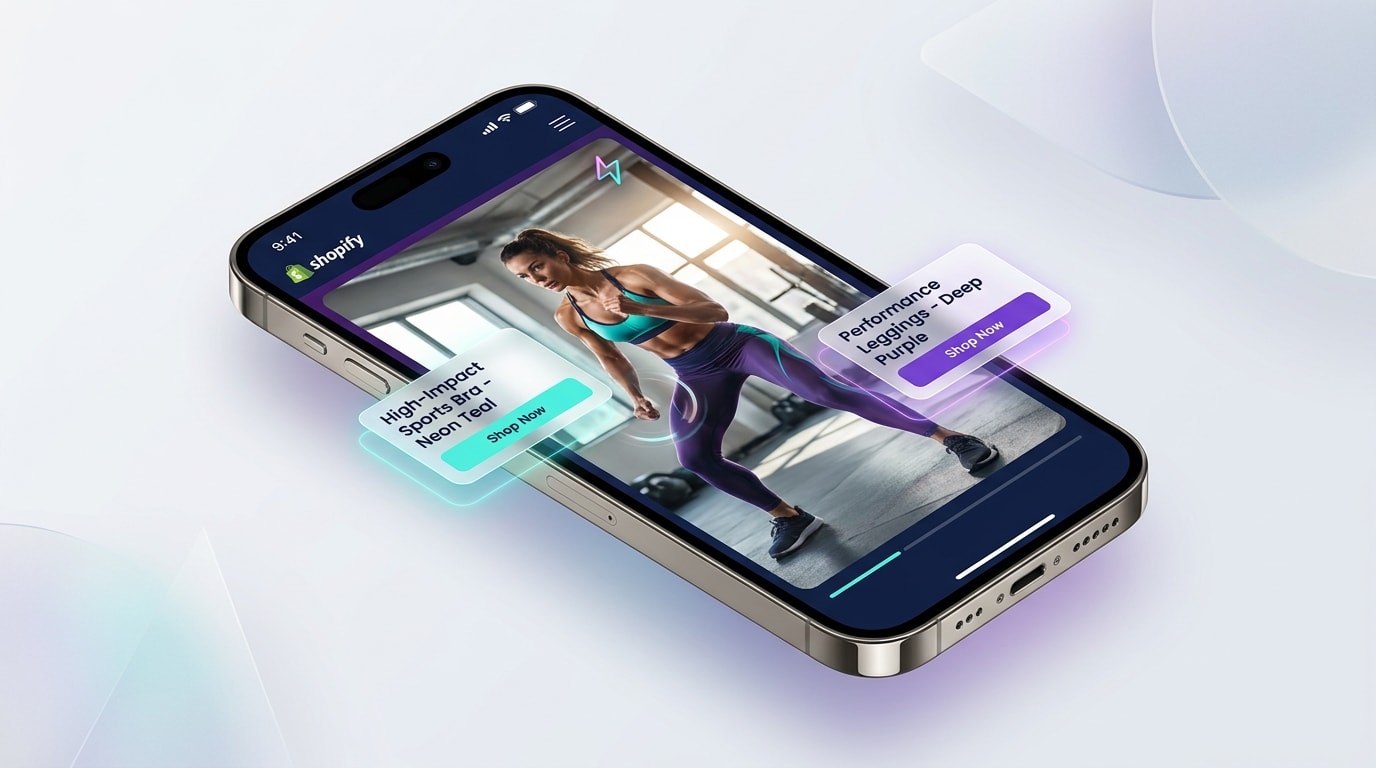
Balancing site performance with compelling social proof is the key to fitness ecommerce success
1. Why Skeptical Fitness Shoppers Demand Video
Fitness apparel and supplements require incredibly high levels of consumer trust. Shopify data shows user-generated content is a great way to motivate skeptical visitors in the health and wellness niche.
Still images no longer cut it for middle-of-funnel buyers. They need to evaluate stretch, fit, and squat-proof claims in real-time. The creator economy reflects this massive demand. Collabstr recently analyzed over 86,619 sportswear creators, proving that shoppers expect dynamic, video-based social proof before completing a checkout.
2. The Hidden Cost of Heavy Video Feeds
The technical downside of visual social proof is bloated themes and slow loading times. Unoptimized Instagram or TikTok embeds will ruin Core Web Vitals on Shopify.
You face a constant trade-off between lowering bounce rates and building trust. For a deeper dive into this dynamic, read our guide on converting visitors into clients through the impact of social proof widgets. To fix this speed issue, you need purpose-built shoppable video apps that prioritize lazy-loading and bitrate optimization.
3. Form-Check vs. High-Gloss Unboxing
There is a massive difference in content quality and buyer intent between real workouts and staged reviews. High-gloss influencer unboxings look exactly like paid ads, which immediately triggers shopper skepticism.
Form-check videos feature customers doing actual workouts in your gear. These unpolished, authentic clips convert significantly better for equipment and apparel brands. Always focus on authentic movement over aesthetic perfection.
II. 6 Strategies to Scale Your Fitness UGC Campaign
Scaling user-generated content requires more than just reposting stories. You need a systemic approach to source, curate, and optimize videos that directly influence purchasing decisions.
Here are six proven strategies for Shopify fitness brands.
1. Source Creators Based on Form-Check Accuracy
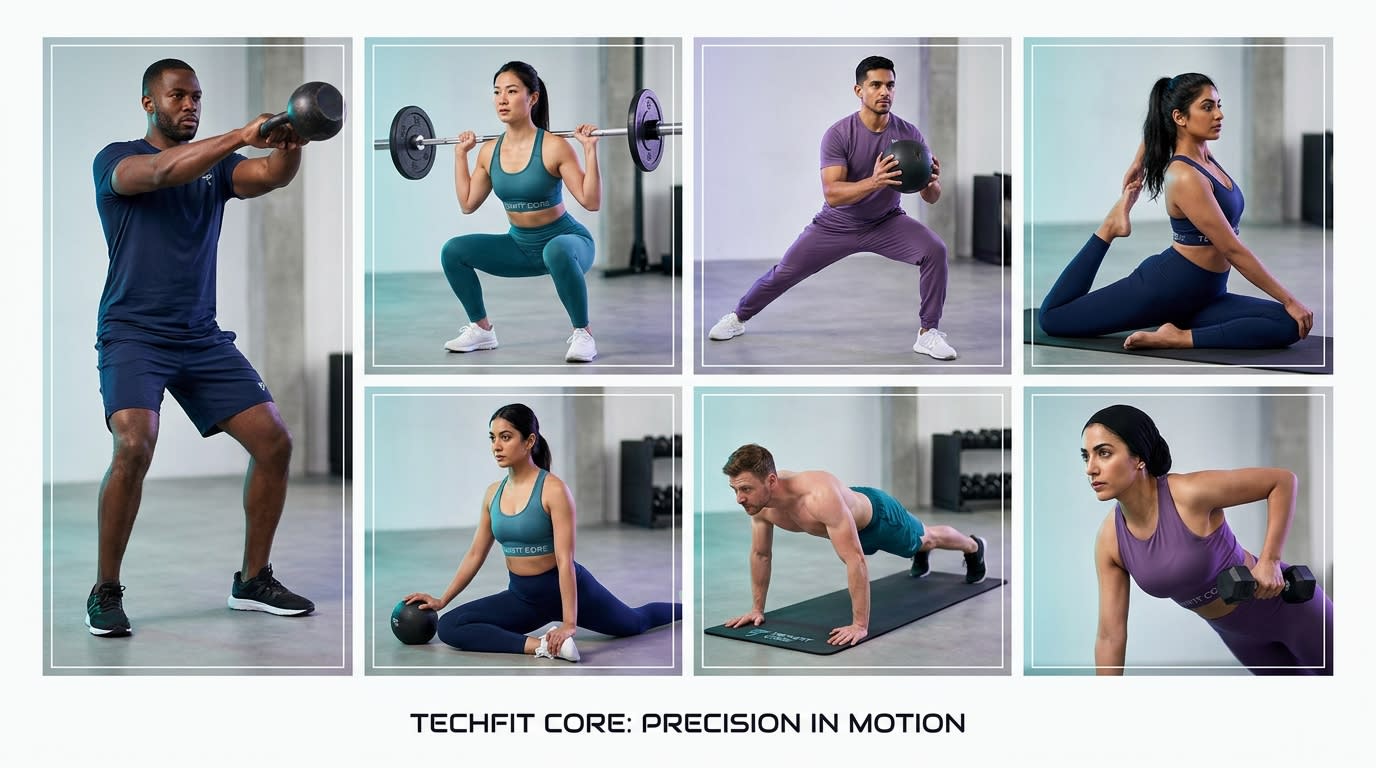
Prioritize creators who showcase your product in real action
Stop paying for follower counts and start vetting for movement quality.
Why this matters: Fitness enthusiasts are highly critical of poor form. A creator doing a sloppy deadlift in your apparel will damage your brand credibility entirely, regardless of their audience size.
How to implement:
- Audit movement first: When browsing creator marketplaces, evaluate their workout technique before looking at engagement rates.
- Provide specific briefs: Ask for mid-workout, sweaty, and authentic content rather than staged, well-lit studio shots.
- Filter for the US market: Use targeted Reddit community outreach to find authentic, US-based micro-creators who already wear your gear.
2. Deploy Shoppable Video Feeds with Lazy Loading
Your most powerful conversion asset should not be the reason your site crashes during a high-traffic product drop.
Why this matters: Embedding raw video files or clunky third-party social widgets directly into your Shopify theme destroys your mobile speed score.
Here is how to fix it:
- Use asynchronous loading: Ensure your video elements only load when they scroll into the user's viewport.
- Implement shoppable overlays: Do not just show a video. Tag specific products directly on the moving visual.
- Leverage specialized tools: Use a dedicated app like ReelPik that automatically compresses video bitrates.
If you are new to sourcing these videos safely, check out the complete guide to user-generated content for eCommerce before embedding them.
3. Leverage Transformation Videos for Subscription Retention
If you sell supplements or workout plans, customer acquisition is only half the battle.
Why this matters: Shoppers hesitate on subscriptions because they doubt long-term value. Transformation UGC addresses this bottom-of-funnel anxiety perfectly.
Map to the customer journey:Place 90-day progress videos directly next to the Subscribe & Save button on your product pages. This directly correlates visual proof with the purchasing decision.
Integrate with subscription apps:Show how community content ties into platforms like Recharge or Bold to emphasize continuity.
Highlight timeline data:Overlay text on the video showing exactly how many months the customer has been using the product.
Pro Tip: Create an automated email flow requesting a video review exactly 60 days after a customer's first subscription order.
4. Optimize Visual Merchandising by Category
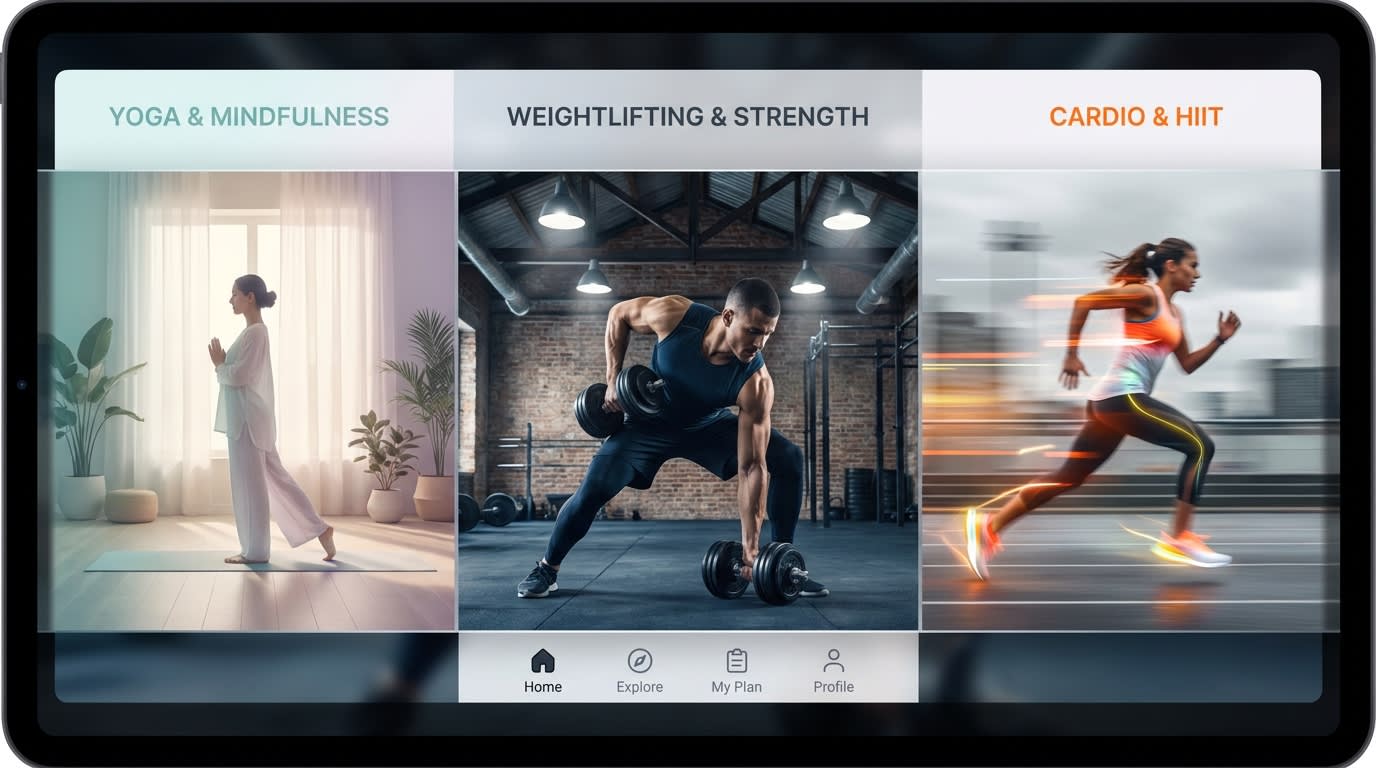
Organize your video feeds to match specific buyer intents
Treat your video content like an interactive product catalog.
Why this matters: A powerlifter does not care about a yoga stretch video. Mixing all your UGC into one chaotic feed creates a poor user experience.
How to implement:
- Create category-specific feeds: Tag your videos by activity (Crossfit, Pilates, Running).
- Match product context: Place heavy-lifting videos exclusively on equipment pages and high-stretch mobility videos on activewear pages.
- A/B test placements: Experiment with moving your categorized shoppable feed above the fold on mobile versus placing it below the description.
5. Bridge the Gap Between Online and Offline (O2O)
For gym-owned Shopify stores or brands with physical pop-ups, user content is the ultimate community connector.
Why this matters: Showing local community members wearing your gear at a recognizable gym builds hyper-specific social proof.
How to implement:
- Geotagged campaigns: Encourage local gym members to tag your physical location alongside the product.
- In-store visual feeds: Display your Shopify store's video feed on screens inside your physical retail space.
- Highlight local micro-influencers: Feature local trainers prominently on your storefront to drive community-driven loyalty.
6. Track the Direct ROI of Video Placements
Stop looking at views and likes and start measuring actual revenue generated by your community content.
Why this matters: Traditional influencer marketing is an expensive guess. Shoppable content should be measurable down to the exact dollar.
What to measure:
- Track interaction rates: Monitor how many users click on the product tags embedded inside your videos.
- Measure cart additions: Look at the direct conversion pipeline from watching a video to adding the specific SKU to the cart.
- Analyze conversion lifts: Compare the checkout rates of visitors who engaged with the video widget versus those who simply scrolled past.
III. Essential Technical & Legal Considerations
Scaling user-generated content requires strict operational discipline to protect your brand from lawsuits and penalties.

Never use customer content on your commercial store without explicit, documented permission
1. Navigating FTC & FDA Compliance
Fitness supplement brands on Shopify face massive regulatory risks. Even if a customer naturally posts an outrageous claim (like stating your pre-workout cured a medical condition), embedding that video on your product page makes you legally liable.
Establish a strict vetting process for health claims in videos. Ensure any incentivized content clearly discloses the relationship per FTC guidelines. Providing free gear in exchange for videos requires a clear #ad or #sponsored tag.
2. Automating Asset Rights Management
Scraping Instagram for videos without permission is a direct path to copyright strikes. A customer tagging your brand does not equal commercial usage rights.
Use Shopify apps to automate the rights request process via comments or direct messages. Keeping a centralized digital paper trail of approvals directly tied to your media library is essential. This protects your brand and streamlines your marketing operations.
IV. Conclusion
Mastering Shopify UGC for fitness brand growth comes down to balancing authenticity with technical performance. By sourcing high-quality form-check videos, automating your legal rights management, and deploying lightning-fast shoppable feeds, you can turn skeptical visitors into loyal community members.
Do not let the fear of slowing down your mobile site hold you back. You have the tools and the strategies needed to scale your visual marketing without compromising on page speed or user experience. Take it one video at a time, optimize your placements, and watch your conversions lift!
Follow the Fordeer Team for more useful updates!
- Install Fordeer Apps for Free
- Get immediate assistance by chatting with us
- Join Fordeer Commerce Community for fresh app updates, expert tips, and private deals.